California's new recycling label regulations aim for clearer guidance, reflecting consumer desires for straightforward disposal instructions that promote recycling.
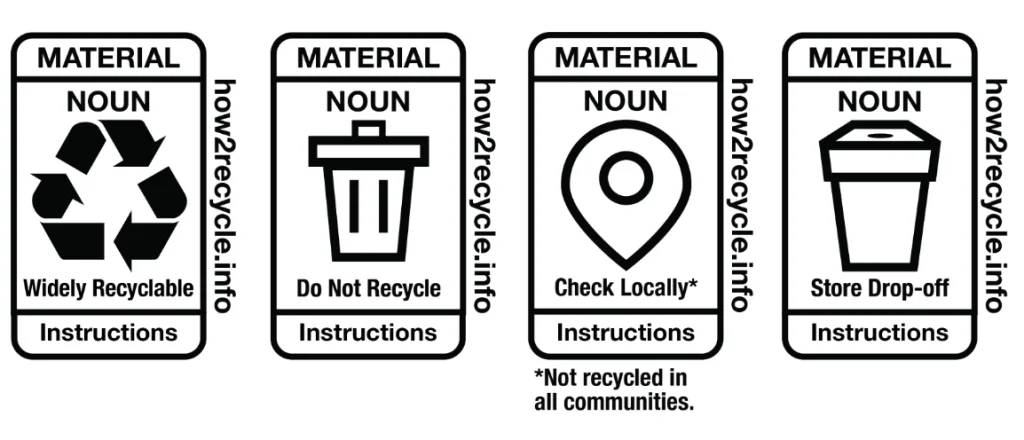
The regulatory climate surrounding recycling in California is shifting, particularly with the introduction of the "Truth in Labeling" legislation (SB 343) taking effect on October 4. This law sets higher standards for what products can be labeled as recyclable, mandating that they be accepted in 60% of communities and processed in 60% of facilities. This marks a significant turn in California's approach to waste management, reflecting a broader push towards more transparent environmental practices.
The Debate Around SB 343
This legislation has ignited a debate among lawmakers and advocacy groups who argue it’ll enhance recycling efforts, while some packaging industries have challenged the law in court, citing free speech concerns and potential ambiguity in enforcement. This creates a complicated dynamic for companies trying to navigate these regulations. If they’re to align their packaging with the new requirements, they must also contend with the uncertainties surrounding enforcement, making compliance a bit of a moving target.
On one side of the argument, proponents suggest that SB 343 could lead to improved recycling rates by ensuring consumers understand what can actually be recycled. However, critics worry that the law may impose excessive regulatory burdens that could stifle innovation in packaging design. Without clear guidance on enforcement, the fear of penalties may deter some companies from making necessary changes, which only maintains the status quo.
Consumer Perspectives on Recycling
Amidst these regulatory changes, insight into consumer behavior becomes critical. Recent research conducted by the Sustainable Packaging Coalition (SPC) points out that a significant number of consumers engage in recycling practices, yet many possess a lingering mistrust in recycling systems. Nearly two-thirds of Americans report they regularly recycle, but for about a third who don’t, two primary barriers persist: access to recycling programs and clarity on what materials are acceptable.
This situation indicates a disconnect between consumer intentions and actions. Many people want to recycle but feel uncertain about whether their efforts make a difference. If you’re working in this space, you realize that companies can play a pivotal role in addressing these barriers. Simply put, informative labeling can reduce confusion and enhance participation in recycling programs. If consumers can’t trust the information they receive, they’re less likely to engage fully.
Designing Labels that Resonate
Consumer reliance on personal judgment when disposing of packaging is evident. In the SPC survey, over half of respondents admitted they often don't consult labels when throwing something away. This gap highlights an opportunity for brands to rethink how they present their packaging guidance. Consumers expressed a desire for labels that are not only prominent but also provide clear textual instructions. The easier the process, the higher the chances of participation in recycling.
The How2Recycle labeling program, managed by GreenBlue (SPC’s parent organization), meets these consumer needs effectively. It incorporates clear messaging that aligns with California's new regulations by ensuring that labels designated as “Widely Recyclable” meet the required access criteria. According to our findings, 84% of consumers already recognize at least one of the labels in this program, fostering trust and compliance. This familiarity can translate into behavioral changes, incentivizing recycling as a default action for consumers.
Extending Clarity Beyond Standard Labels
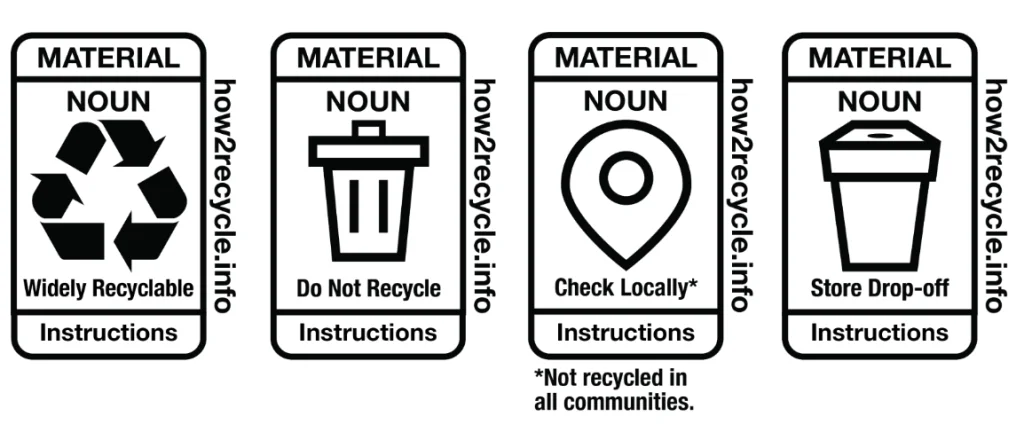
Aside from the widely-recognized labels, the How2Recycle program includes other options tailored to California's regulations, such as:
- “Check Locally” labels for products accepted in at least 20% of communities.
- “Store Drop-off” labels for specific materials like films and flexible packaging.
While these labels resonate positively with consumers, they often struggle with understanding local recycling capabilities and the logistics of drop-off locations. And this is the part most people overlook—without proper education on how these programs work, even well-meaning consumers can find themselves frustrated. Brands can bridge this knowledge gap through educational initiatives and campaigns that provide vital information about alternative recycling options, especially for less common materials.
Implications for the Future
The evolving regulatory environment is likely to continue presenting challenges. Nonetheless, clarity in consumer guidance remains a priority. Consumers seek disposal instructions that are easy to recognize and act upon. As companies adapt their labeling strategies, those that can effectively merge compliance with consumer-friendly messaging will position themselves advantageously in an increasingly scrutinized market. This is more significant than it looks; how a product is labeled could determine its success in an eco-conscious era.
Ultimately, brands that prioritize clear and actionable recycling information not only adhere to regulatory standards but also foster greater public engagement in recycling, turning compliance into an opportunity for meaningful consumer connection. As the market shifts, businesses must view these changes as a chance to build trust and loyalty among their customers, reinforcing their commitment to sustainability.



Discussion
Sign in to join the discussion.