Outrigger Impact has reached the first close of a fund targeting $100 million for island businesses, pairing investment with grants to prepare projects.

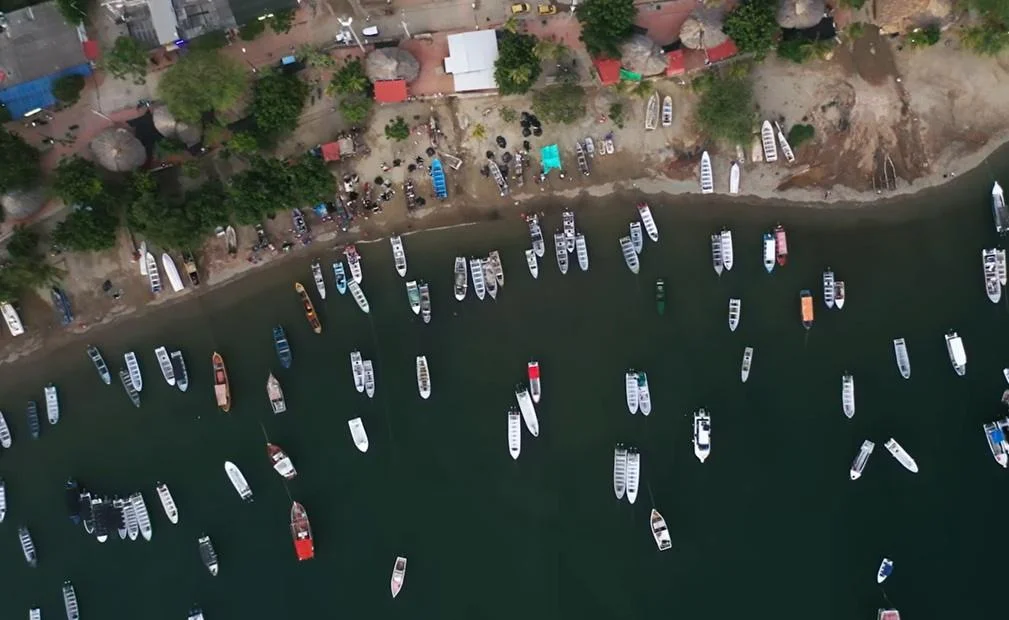
Outrigger Impact’s first fund is built around a practical constraint in island economies: promising ocean and climate projects often need technical support before they can attract investment. The UK-based platform has announced the first close of Outrigger Impact Fund I, which will combine equity and debt for businesses and projects in Small Island Developing States (SIDS). The announcement sets out an intended financing structure and a long list of impact goals; it doesn’t yet show how much capital has been committed at this first close or which projects will receive it.
The fund is targeting $100 million, with a final close expected in 2027. Outrigger’s stated goals include benefiting at least 2 million people, supporting more than 12,500 jobs, avoiding 1 million tonnes of CO2 emissions and improving the resilience of more than 100,000 hectares of natural ecosystems. Those targets give investors and communities a way to judge the fund’s ambitions, but they’re not results: progress will depend on what gets financed, how outcomes are measured and whether projects deliver benefits that can be sustained.
Investment paired with project support
Alongside the fund, the Outrigger Technical Assistance Facility (OTAF) will use grants and concessional financing to help early-stage ventures become ready for investment and build a pipeline of fundable projects. Its backers include the Ocean Risk and Resilience Action Alliance (ORRAA), the Global Environment Facility, the Nordic Development Fund and the UK’s Blue Planet Fund. This support addresses a problem that can arise before a financing decision: a venture may have a useful idea but still need technical work, planning or other preparation to make a project suitable for investment. The source doesn’t specify the facility’s size or the support each venture could receive, so its practical reach remains to be seen.
That pairing matters because the target markets span sectors with different financing needs: marine conservation, sustainable fisheries, ecotourism, circular economy, marine infrastructure and renewable energy. A conservation project and an energy business may both contribute to a sustainable ocean economy, but they won’t necessarily have the same revenue model, development timeline or capacity to repay debt. Outrigger, founded in 2024, says the fund is intended to strengthen climate resilience and support marine ecosystems while contributing to a sustainable ocean economy. It’s a broad mandate, and the eventual portfolio will show how the platform handles the trade-offs among commercial returns, environmental outcomes and local needs.
A financing gap in ocean states
SIDS oversee about 30% of the world’s oceans through their Exclusive Economic Zones. They contain more than 20% of global biodiversity and roughly 40% of coral reefs, yet receive a relatively small share of development finance. These figures help explain why ocean protection and economic development can’t be treated as separate questions for island states: decisions about fisheries, energy, tourism and infrastructure can affect both livelihoods and ecosystems. The scale of the natural assets involved is striking. But it doesn’t, by itself, tell us how much capital a particular project can absorb or which investments will produce lasting resilience.
Outrigger says its fund will help address an estimated $10 billion annual adaptation finance gap for islands. That figure describes a much larger funding need than a single $100 million target can cover, even if the fund reaches its goal. Private finance can contribute to projects that are capable of attracting investment, while grants and concessional terms can support work that would be harder to finance on ordinary commercial terms. And this is the part most people overlook: the project preparation stage can determine whether capital reaches a local venture at all, rather than remaining available only to businesses already able to meet investors’ requirements.
If you’re working in this space, the key question isn’t simply whether more money is announced. It’s whether the structure can match different kinds of capital to projects at different stages, while making clear who receives the benefits. For island businesses, the value of technical assistance may depend on whether it helps them build practical capacity and secure financing on terms they can manage. For the fund, a large pipeline will matter only if projects can meet its criteria and deliver the stated environmental and social outcomes.
What the first close will need to prove
Managing Director Simon Dent described the first close as a milestone for investment in adaptation and resilience. He said the platform combines private and junior capital with grant funding for technical assistance to expand blue economy investment in island states. The structure signals an attempt to address more than one barrier at once: limited investment capital and the preparation work that can stand between an early-stage idea and a financeable project. Still, a first close marks progress in raising a fund; it doesn’t establish how quickly the money will be deployed or what impact the investments will have.
ORRAA Executive Director Karen Sack pointed to commercial opportunities for small and medium-sized businesses, spanning ocean-based renewable energy, blue technology, infrastructure and nature-based solutions. That range suggests there may be room for ventures with different approaches to ocean economies, though the announcement doesn’t identify specific companies or projects. The numbers here are ambitious, and the breadth of the sectors makes delivery more demanding: each investment will need to fit the fund’s financial approach as well as its impact goals.
The fund’s progress will hinge on turning that range of opportunity into investable projects—and on whether its financing structure can reach businesses that have so far drawn limited development capital. It’s a substantial test. Success won’t be demonstrated by targets alone, but by the projects selected, the capital they receive and the results they can show as the fund develops toward its planned final close in 2027.


Discussion
Sign in to join the discussion.