DC's push for renewable energy, while admirable, places undue financial strain on vulnerable households. A reevaluation is necessary.
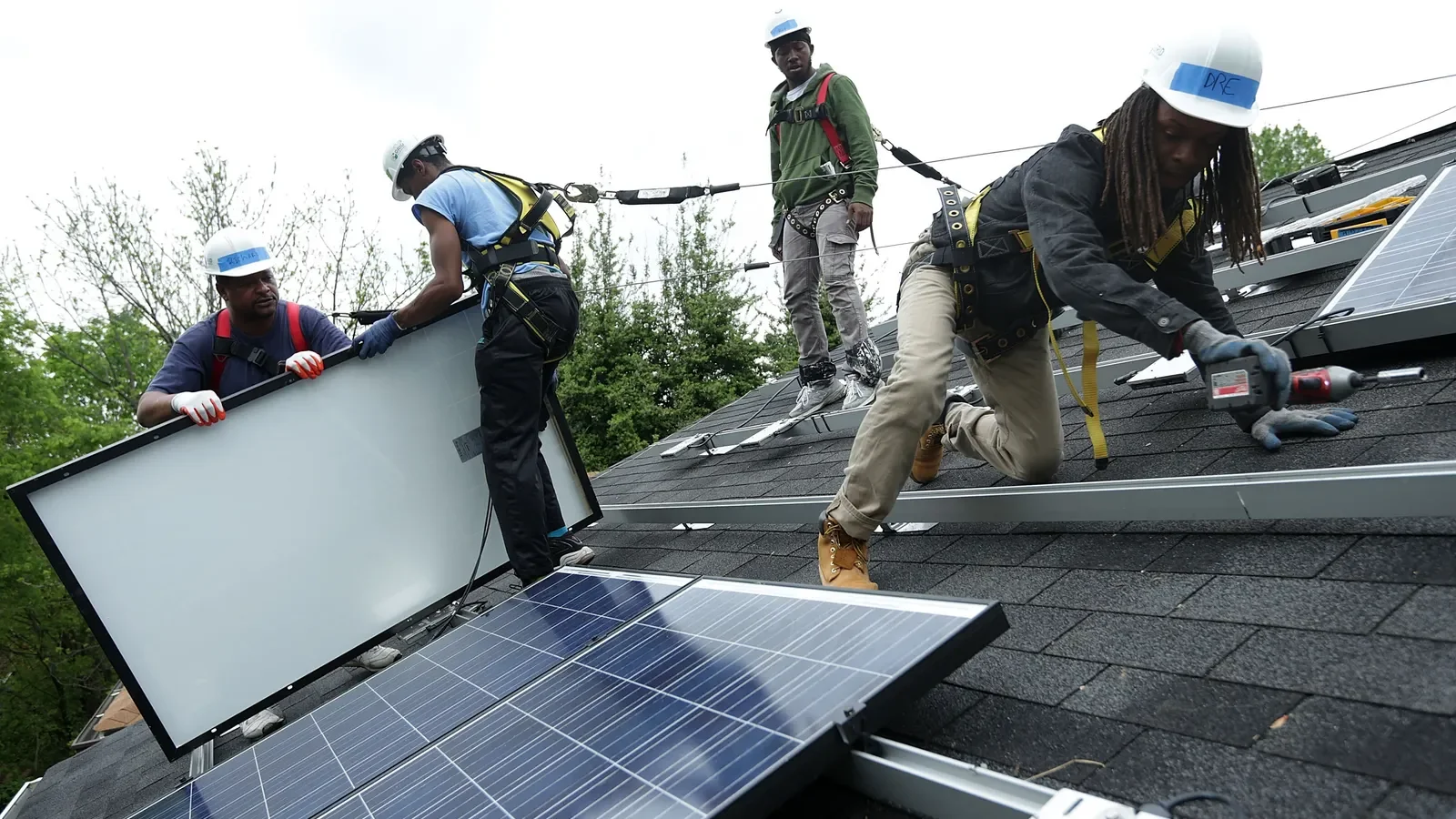
The District of Columbia is facing increasing scrutiny over its Renewable Portfolio Standard (RPS), as the financial burden of transitioning to green energy disproportionately affects low-income residents. Solar credits have recently added approximately $20 to monthly electric bills, with projections indicating costs could escalate to $40 by 2029 if current policies remain unchanged. As the city pushes toward sustainability, the impact on the most vulnerable populations can't be overlooked.
Historically, the D.C. government has recognized that essential needs like food should not carry added taxes; however, this principle appears to falter when it comes to electricity costs. Electricity is vital for daily life, yet current renewable energy policies are making it more expensive for ratepayers. If you're working in this space, you understand the delicate balance policymakers must strike between environmental ambitions and economic realities. But the rising costs present a serious challenge to that balance.
Policy Evolution and Current Demand
In a letter to the D.C. Council, Mayor Muriel Bowser raised alarms about the rising utility expenses and their impact on District residents. The RPS, first adopted in 2004, has evolved significantly. Notably in 2019, the mandate was amended to require that D.C. sources 100% of its electricity from renewable energy by 2032, drastically increasing the solar component. This ambitious shift was celebrated at the time, but now it raises questions about implementation and cost.
Meeting this solar requirement impels utility companies to acquire solar renewable energy credits (SRECs). However, the mayor indicated that the price of these solar credits is escalating, contributing further to residents’ electric bills without yielding the expected environmental benefits. This disconnect between policy goals and real-world outcomes is a growing concern. Can D.C. actually meet its ambitious energy targets without sacrificing affordability?
Implementation Issues in Energy Credit Policies
The current structure of the D.C. RPS, particularly the stipulation that a portion of solar credits must be sourced from local facilities, results in a limited supply, driving up prices. This is where market dynamics come into play — when supply is restricted, prices naturally inflate. According to PJM Interconnection, during the initial quarter of 2026, the average price for a D.C. solar credit hit an alarming $410.72. It’s a stark reminder that the local implementation of renewable policies can warp supply and demand dynamics, leading to inflated costs. And this is the part most people overlook.
Such issues are not exclusive to D.C.; neighboring regions are grappling with similar challenges. A recent lawsuit in West Virginia highlighted how restrictive energy credit laws can distort the market, causing compliance costs to spike from $112.5 million in 2020 to over $700 million just five years later. These rising costs put additional pressure on consumers, particularly those already struggling to make ends meet. The implications here are significant, as they point to the need for a broader reevaluation of renewable energy strategies across states.
Contradictory Measures and the Affordability Challenge
Ironically, while D.C. offers programs to help low-income households manage their utility bills, such policies are at odds with the city's push for renewable energy that inflates those very costs. This contradiction raises pressing questions about fairness in energy policies: Who truly bears the brunt of these financial burdens? Is it feasible to attain renewable energy targets without unduly impacting vulnerable residents? The answers aren't simple and provoke critical discussions on economic equity.
The initial goals of the RPS were framed around reducing emissions and encouraging a shift to more affordable renewable energy. Yet, nearly two decades later, it’s essential for the D.C. government to reassess whether these objectives are being met and if the strategies currently employed truly serve their intended purpose. This introspection could lead to more effective policies that balance environmental goals with economic realities.
Future Outlook
The challenges surrounding the rising costs of renewable energy compliance extend throughout the PJM region, where expenditures associated with state RPS mandates have soared from roughly $677 million in 2014 to nearly $2.9 billion in 2023. As electricity demand continues to rise, many are concerned about sustaining affordability amidst climbing utility bills. This isn't just a D.C. issue; it's a ticking time bomb for energy policy elsewhere.
As Mayor Bowser noted, while not all components of electricity pricing are within the control of policymakers, the current path regarding renewable energy mandates certainly is. The D.C. Council should heed her caution and make necessary adjustments to its renewable energy strategies to alleviate the financial strain on residents, especially the most vulnerable. Ultimately, if these rising costs remain unchecked, they could undermine public support for renewable energy initiatives.
The Bigger Picture: Implications for Policy and Residents
The imperative for affordability should resonate as power demands evolve. D.C.'s renewable energy ambitions must be recalibrated to align with the day-to-day realities faced by its residents. This is more significant than it looks. If the city government fails to address the affordability crisis tied to its green energy policies, it risks alienating key voter demographics and potentially stalling progress toward sustainability. The path ahead needs careful navigation, prioritizing not just green goals but also economic viability.
In conclusion, D.C.'s renewable energy policies face a critical crossroads. Balancing ambitious environmental goals with realistic economic impacts will require innovative thinking and perhaps a fresh approach to accountability. It's time for D.C. to realign its green energy ambitions with the practicalities of everyday life for its residents.



Discussion
Sign in to join the discussion.