LanzaJet raises over $20 million to enhance SAF production at its Freedom Pines facility, marking a significant step in sustainable aviation fuel technology.
Funding Announcement and Its Implications
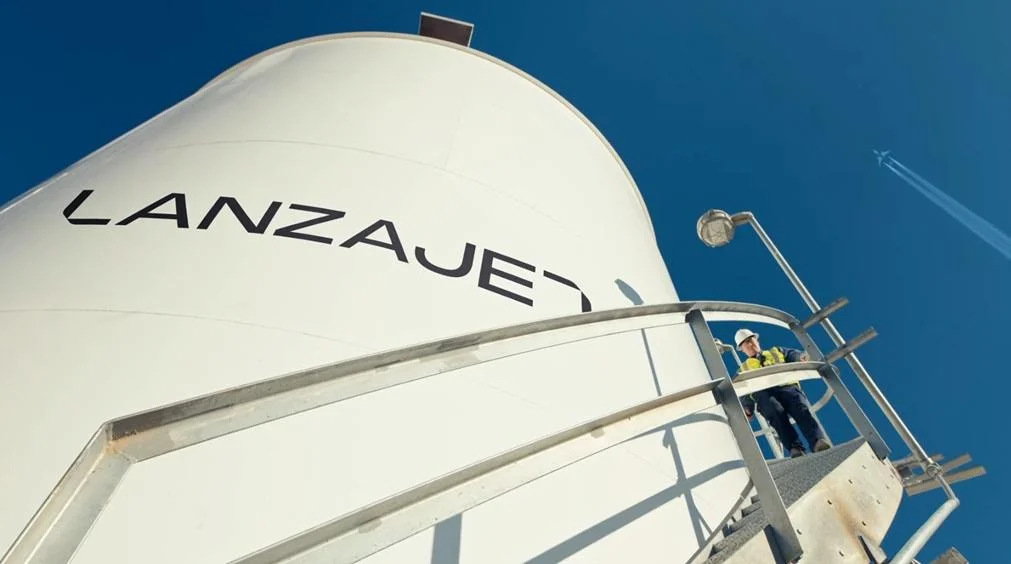
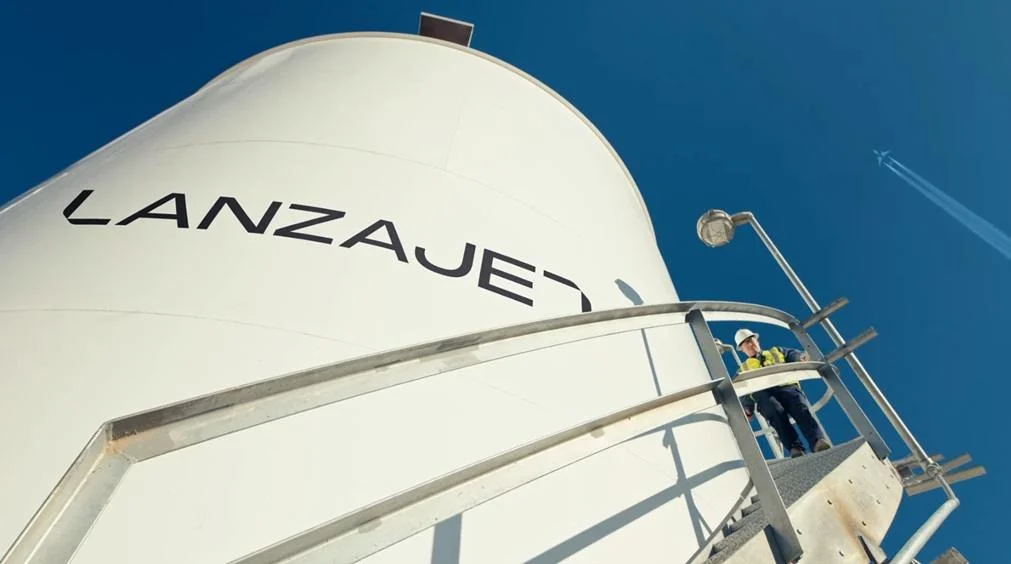
LanzaJet, a significant entity in the sustainable aviation fuel (SAF) sector, recently disclosed a funding initiative that has surpassed $20 million. This financial boost is set to enhance its production capabilities markedly. The dedicated funds aim to scale up the supply of SAF from the company's Freedom Pines Fuels facility, located in Soperton, Georgia. But what does this really mean for the SAF movement? The numbers here might seem impressive, but we should consider them in the context of the challenges facing the entire industry.
Background on LanzaJet and Its Technology
Founded in 2020, LanzaJet emerges as a spinoff from LanzaTech, an enterprise focused on carbon recycling technologies. The company has carved a niche for itself with its Alcohol-to-Jet (ATJ) process, which is engineered to transform waste and sustainable sources of ethanol into SAF and renewable diesel. The choice of feedstocks is notable — they include ingredients like low-carbon sugarcane, energy crops, forest residues, agricultural waste, and organic refuse. Traditional fuels often stem from fossil sources, and while SAF offers a greener alternative, the efficiency and cost-effectiveness of production remain under scrutiny. That's a larger conversation involving not just LanzaJet, but the entire industry.
Details of the Funding Round
This recent funding has drawn on support from various parties, including LanzaTech itself and investor Vinod Khosla. Interestingly, this raises LanzaTech's ownership stake in LanzaJet, suggesting a commitment to bolstering sustainable technology investments. The rationale behind this funding isn't solely growth-centric. It's also about financial stability. The move serves a dual purpose: recapitalizing the company and alleviating some existing debts among stakeholders. If you're working in this space, you'll understand the critical need for financial backing as projects transition from concept to operational status.
Leadership Changes Within LanzaJet
Another layer of intrigue comes from a leadership transition at LanzaJet. Jennifer Holmgren, the current CEO of LanzaTech, will step in as the interim CEO of LanzaJet while retaining her role as Chair of the Board. This dual responsibility indicates an effort to unify leadership across these connected organizations during a pivotal moment for LanzaJet. The previous CEO, Jimmy Samaritzis, has chosen to seek new opportunities within the SAF landscape, leaving behind a significant legacy as the company heads into this next growth phase. The stability provided by Holmgren's experience could benefit LanzaJet as it navigates the complexities of expanding its operations.
Operational Achievements and Future Prospects
After extensive efforts, LanzaJet has achieved full operational status at Freedom Pines Fuels, a landmark achievement. This facility has the distinction of being the first commercial-scale alcohol-to-jet production site, with an annual capacity of 10 million gallons for SAF and renewable diesel. The ability to produce fuels that meet ASTM specifications places LanzaJet in a favorable position. In an industry rife with skepticism about the viability of SAF, the operational success here validates both the technology and its commercial potential. But let’s not gloss over the fact that operational success does not automatically translate to market success, especially given the stiff competition and regulatory hurdles in energy markets.
Strategic Vision and Market Positioning
In a statement regarding the newly secured financing, Holmgren highlighted the importance of LanzaTech's pioneering technology achieving profitable commercial operation. This level of success can allow companies like LanzaJet to expand operations and influence the market positively. But the realistic view is that multiple challenges remain — from pricing to consumer acceptance of SAF. With fuel transitioning from traditional fossil-based inputs to renewable sources, it’s crucial for LanzaJet to not only scale production but also maintain cost competitiveness. This isn’t just about LanzaJet, either; it sets a precedent within the SAF domain that others will inevitably watch closely.
Implications for the Industry and Future Outlook
What’s the broader significance of this funding and operational success? For one, it validates the efforts and investments made within the SAF space. If LanzaJet’s technology can reach the levels of commercial success as projected, it might inspire more investments and innovations across the sector. But while this is optimistic, caution is warranted. Are other players able to replicate this success? What regulatory barriers still loom over the SAF market? These are questions that industry stakeholders must contend with in the coming months.
This funding round and operational milestone exemplify the ongoing shifts in the aviation fuel sector, aiming for a greener future while grappling with financial realities. The interplay of innovation, leadership, and capital will dictate the pace at which sustainable aviation grows. LanzaJet stands poised to be a leader in this transformation, but navigating the complexities of market dynamics remains an ongoing challenge. The performance of LanzaJet in the next year will be a crucial barometer of the sustainable fuels industry's viability and will potentially ripple through the energy sector as a whole.



Discussion
Sign in to join the discussion.