Meta will buy credits tied to about 200,000 tons of Fortera’s lower-carbon cement, helping support plans for a new Missouri plant.
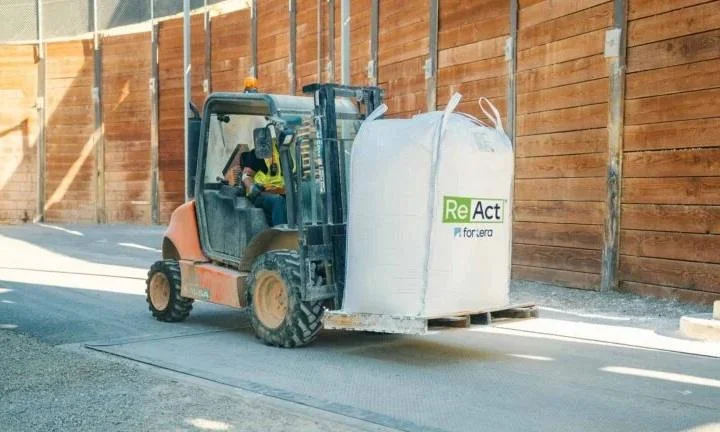
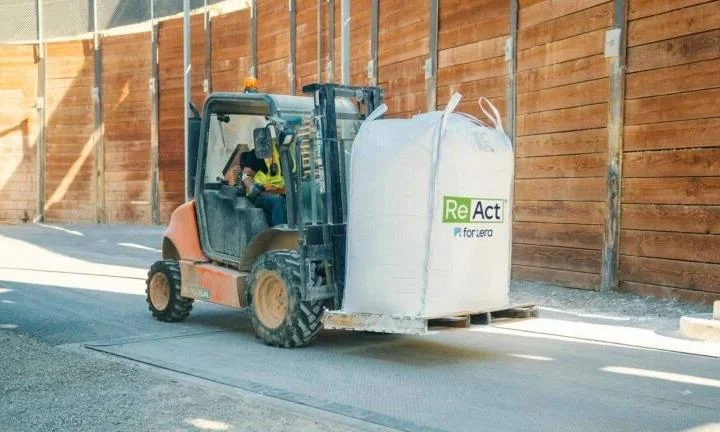
Meta’s multi-year commitment to buy environmental credits tied to Fortera cement gives the California producer a clearer revenue path as it seeks financing for a planned plant in Ste. Genevieve, Missouri. The agreement connects demand from a major construction buyer with proposed domestic production in an industry responsible for about 8% of global CO2 emissions. That link matters because lower-carbon cement can’t scale on manufacturing claims alone: producers also need customers willing to support demand while new capacity is being financed.
The credits will correspond to approximately 200,000 tons of Fortera’s lower-carbon cement. Meta can also choose to use the material in its own construction projects, and the companies may extend the deal’s duration or increase its volume in future years. Those options leave room for the relationship to grow, but they aren’t a guarantee of additional purchases. For now, the commitment establishes a defined volume and a potential route from a new production site to a large buyer.
Financing capacity through long-term demand
Environmental attribute certificates, or EACs, let companies claim the emissions attributes of lower-carbon materials without necessarily buying the physical products. That arrangement can separate the environmental claim from delivery of the cement itself. It may give a producer support for a project before the buyer is ready to take physical material, while giving the buyer a way to address emissions associated with its supply chain.
For Fortera, selling the certificates could help fund manufacturing capacity while giving Meta a way to address supply-chain emissions. The distinction between the certificates and the cement is central to the deal: a purchase of environmental attributes can support demand, but it doesn’t by itself show that Meta will use the corresponding material in a particular building. Meta’s option to use the cement in its own construction projects adds a possible physical connection, though the company’s choice to do so remains optional.
Meta says the agreement is intended to connect its cement demand with local supply in places where it builds. Devon Lake, Meta’s head of net zero strategy, said the commitment could help move the Ste. Genevieve plant from planning to production, creating construction and long-term manufacturing jobs in Missouri and making the cement available to other builders. That’s the industrial case for the arrangement: a committed customer may help a proposed plant attract financing, and a functioning plant could serve buyers beyond the company that helped support it.
Here’s the thing: a multi-year commitment can make future demand easier to assess, but it can’t settle every question a lender or a customer might ask about a new facility. The project still needs financing and must progress from plans to production. This is more significant than it looks because cement plants require sustained industrial capacity; a buyer’s stated interest has practical value only if it helps turn that capacity into a real supply of material.
Using captured CO2 in cement
Founded in 2019, Fortera developed ReCarb, a process that captures industrial CO2 and turns it into feedstock for ReAct cement. Fortera says ReAct has a carbon footprint about 70% lower than ordinary Portland cement (OPC). That figure is the company’s claim, and the source doesn’t provide the assessment details behind it. Still, the stated reduction points to the basic proposition: use captured carbon in the production process to make cement with a lower reported footprint.
Fortera says its process can be added to existing cement and lime facilities, allowing producers to keep their kilns and distribution networks while making cement at cost parity with OPC. If that description holds in operation, it could matter to producers that depend on established industrial sites and supply routes. Retaining existing equipment and distribution networks would give a lower-carbon product a potential path into the same market that already serves construction. But the claim of cost parity needs to be tested at commercial scale; the information provided doesn’t establish the cost of production at the planned Missouri plant.
That said, the approach still depends on execution across several linked steps: capturing industrial CO2, processing it into feedstock, producing cement, and finding customers for the output. A failure or delay at any one of those points could weaken the value of the others. The promised emissions advantage, the proposed cost position, and the planned capacity are therefore related claims, but they aren’t interchangeable evidence.
What the deal could mean for the market
Fortera CEO Ryan Gilliam said using waste CO2 as a primary feedstock could support communities whose economies depend on cement and lime production as the industry cuts emissions. The argument is that emissions reduction and continued industrial activity needn’t be opposing goals. If you're working in this space, the practical question is whether the process can fit existing facilities and attract enough sustained demand to justify new production.
(And this is the part most people overlook.) The value of a credit purchase depends partly on what it enables beyond the transaction itself. If it helps Fortera secure financing and establish production, the agreement could support a supply option for other builders. If the plant doesn’t reach production, the planned volume won’t translate into available cement for the wider market. A demand signal is useful; it isn’t the same thing as a delivered product.
The deal’s practical test will be whether that long-term demand helps bring the Missouri facility into production and expands the supply of lower-carbon cement for the wider construction market. Meta’s ability to increase the volume or extend the term could matter if the initial arrangement performs as intended, but both remain possibilities rather than commitments. For now, the agreement gives Fortera a concrete commercial relationship to present as it seeks financing. The next step. Production.



Discussion
Sign in to join the discussion.