Water access can return time, support school attendance and strengthen livelihoods. PepsiCo’s work points to the local leadership needed to sustain those gains.
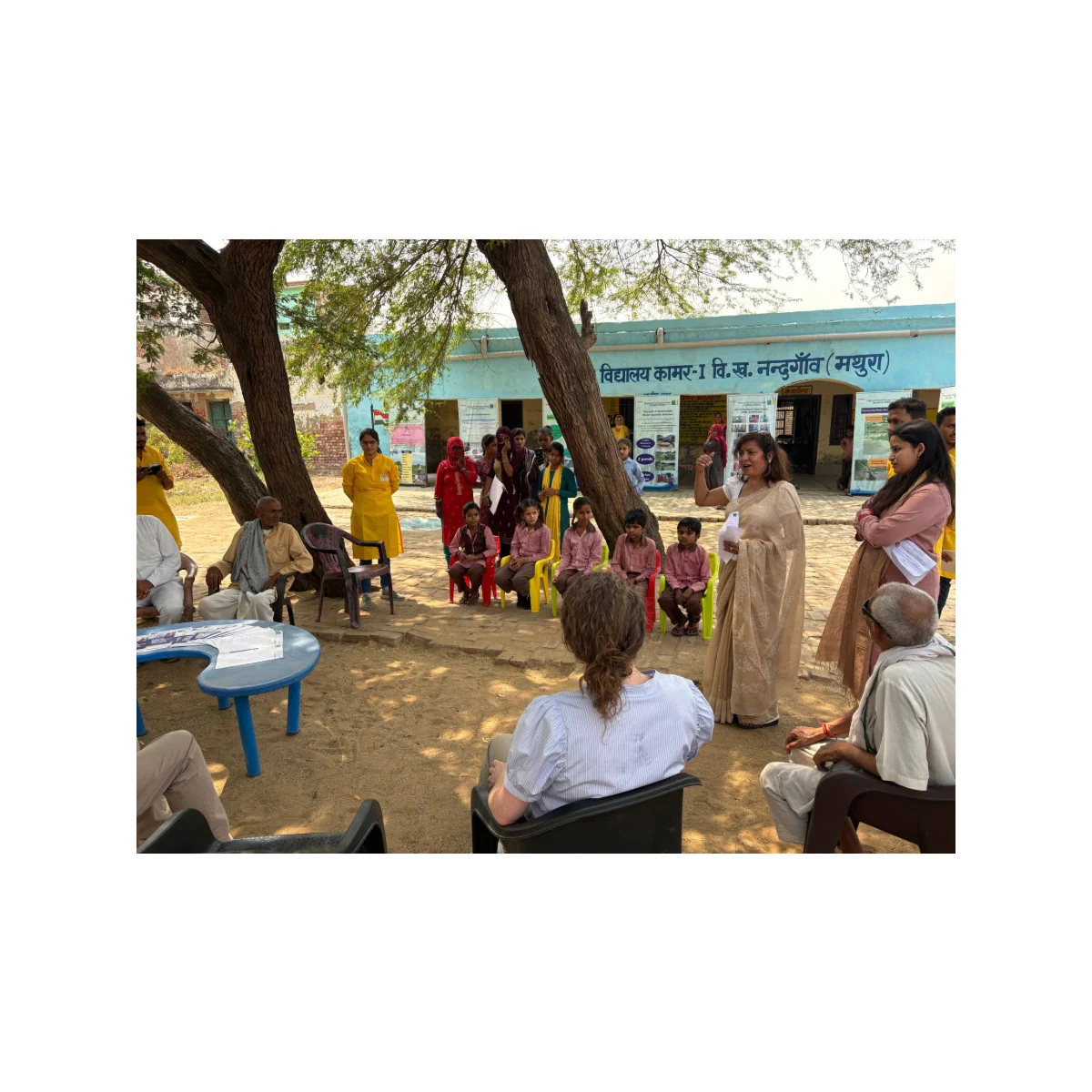
Safe water access is measured in people served and systems installed. Its deeper effects are harder to capture: time returned to families, children able to attend school and communities gaining more control over local resources. After more than two decades in social impact work, I’ve come to see those outcomes as the clearest test of whether a water program lasts.
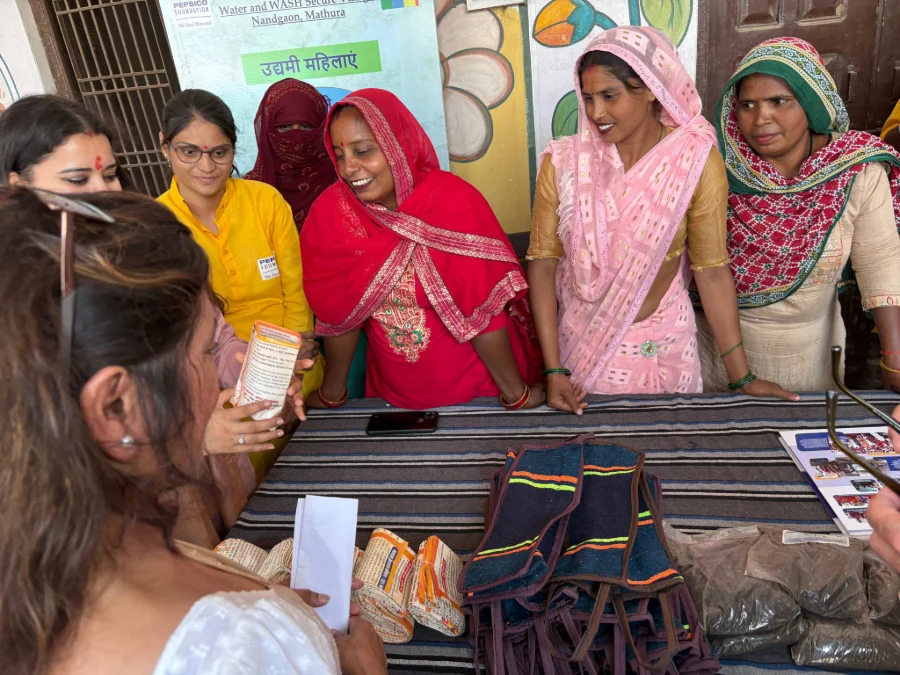
In communities near PepsiCo’s manufacturing facility in Kosi, India, women once spent hours each week collecting water. A rainwater harvesting structure helped ease that burden. When I visited years later, some of the women were making and selling handmade crafts, turning time saved into income and new opportunities for their families and community.
At a nearby school, unreliable drinking water and inadequate sanitation had made regular attendance difficult for many children, especially girls. The response included rainwater collection, filtration, hand-washing stations and toilets. But equipment alone didn’t carry the work forward. Students learned to maintain the systems, model good hygiene and teach those practices to others.
Since 2022, the program has trained 1,400 people, expanded across six villages, reached 76,000 community members and helped conserve 28 million gallons of water. Those figures describe its scale. The students’ role in keeping the systems working helps explain its staying power.
What the numbers leave out
Since 2010, PepsiCo and the PepsiCo Foundation say they have helped about 97 million people gain access to safe water, toward a goal of 100 million by 2030. That progress matters. But access is a starting point, and the measure of a project extends beyond the day construction ends.
My read is that durable water programs depend on three things: the opportunities infrastructure makes possible, continued involvement in the places where it operates, and investment in people’s ability to manage it.
A school toilet or filtration station is visible. Its broader value may appear in improved attendance, time freed for other work, or a stronger local livelihood. Those effects are less tidy in a spreadsheet, but they show whether infrastructure is changing daily life.
That change also depends on staying close to a community over time. Systems need to keep working and meet local needs years after installation. Local colleagues and capable partners bring knowledge that a distant organization can’t supply on its own. In India, PepsiCo employees in Delhi and people living and working near Kosi have worked with local partners and residents. The approach rests on building alongside communities, with relationships that outlast the installation.
Funding can pay for equipment; it can’t replace local skills or leadership. Water programs need to pair technical expertise with the knowledge of the people who will operate and maintain systems. That can include helping communities care for watersheds as well as supporting farmers who depend on them.
In Egypt, PepsiCo agronomists have worked with smallholder farmers on irrigation and water stewardship practices. The company says farmers produced healthier, deeper-rooted crops, improved yields and increased incomes. Over three years, improved irrigation methods saved more than 1.2 billion liters of water. Farmers adopting improved irrigation also saw an average 18% increase in crop yields and a 30% decrease in irrigation costs.
Water security takes a longer view
For companies linked to food production, water connects farms, operating sites, nearby communities and ecosystems. Those needs overlap, and no single organization can address them alone. Lasting results call for thinking beyond project timelines and supporting the people and systems that can keep progress going.
PepsiCo says it achieved 100% water replenishment by the end of 2025 at company-owned manufacturing facilities in high-risk watersheds. The company presents replenishment and safe water access as related efforts: both can support the same watershed, while replenishment aims to restore local resources and access programs help people use water reliably. Together, they’re intended to strengthen water security and the resilience of the places where businesses operate, source ingredients and employ people.
The target of reaching 100 million people with safe water by 2030 will be a meaningful milestone. Still, the more telling question is what communities can do after a system is installed—and whether they have the skills, resources and local leadership to keep it serving them. After more than two decades in this work, that’s what stays with me: the lives changed, and the capacity communities build to sustain that change.
Discussion
Sign in to join the discussion.