Pulpex inaugurates its first large-scale fiber bottle manufacturing plant near Glasgow, aiming to meet rising demand for sustainable packaging solutions.
Introduction of a New Fiber Bottle Facility
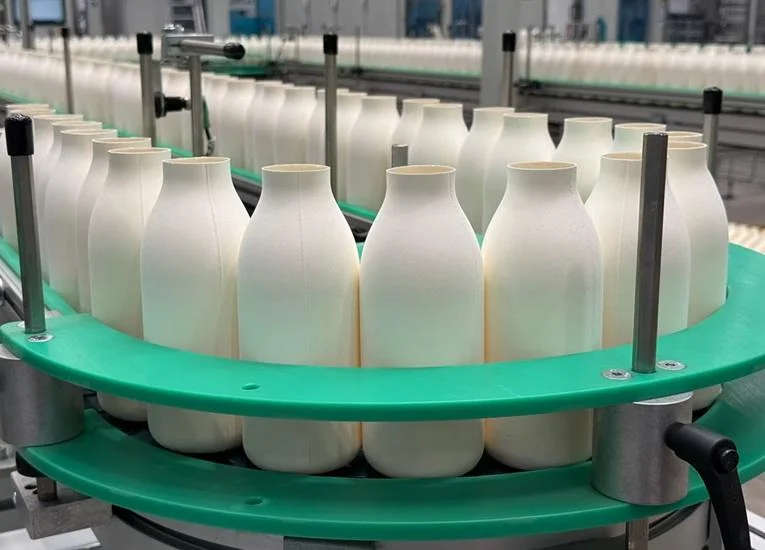
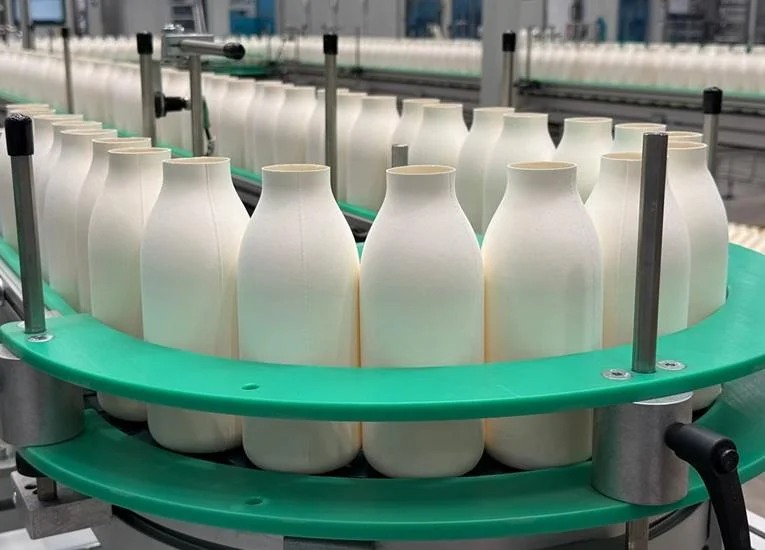
Pulpex has officially opened a commercial-scale manufacturing plant near Glasgow, Scotland, marking a significant milestone in the production of paper-based bottles designed to replace traditional plastic and glass options. This facility is not just about producing bottles; it’s a strategic response to the growing consumer demand for eco-friendly packaging solutions. As concerns about plastic pollution intensify, Pulpex positions itself as a leader in sustainable alternatives.
Background and Collaboration
Founded in 2020 through a partnership between Pilot Lite and Diageo, Pulpex has quickly made a name for itself in the sustainable packaging arena. This came from strong collaborations with major consumer product companies like Unilever, PepsiCo, Castrol, Haleon, Estée Lauder, and Kraft Heinz. By pooling resources and expertise, these firms aim to develop compostable and recyclable packaging made from sustainably sourced wood pulp. The result? Bottles that are free from hidden plastics and recyclable through conventional paper and cardboard recycling streams. This coherence in mission emphasizes how corporate giants are increasingly recognizing their responsibility toward environmental stewardship.
Production Capacity and Goals
The Glasgow plant marks a pivotal transition for Pulpex from pilot projects to full-scale manufacturing capability. Initial production is set to reach up to 40 million bottles per year, a noteworthy start that demonstrates the demand for such products. Yet, Pulpex’s long-term ambition is even more striking, targeting a production goal of one billion units annually. This focus on scalability indicates not only the anticipated market growth but also the company’s confidence in the broad adoption of sustainable packaging solutions. Companies that ignore such trends may find themselves at a competitive disadvantage as consumer preferences shift.
Scott Winston, Pulpex's Managing Director & Chief Science and Sustainability Officer, emphasized the significance of this facility: “With an initial capacity of 40 million units a year, Glasgow is the first step on our path to one billion units globally…”
Market Response and Strategic Partnerships
In anticipation of tightening global packaging regulations, the launch of the facility aligns neatly with the growing need for improved recyclability standards in Europe and the UK. It's telling that over 90% of the plant's capacity for the current financial year has been booked even before official operations commenced. This indicates not just interest but a strategic pivot toward sustainable materials across various sectors. Brands like Purely Scottish Natural Mineral Water and smol are set to utilize Pulpex's fiber bottles, illustrating a significant shift toward greener packaging solutions in an array of product categories. This is more significant than it looks; it shows that sustainability is rapidly becoming a baseline requirement rather than an optional feature in consumer products.
Expanding Global Footprint
Pulpex is laying out an international network of manufacturing partnerships to enhance its reach and impact. The Swiss company Perlen Industrieholding has become the first European production partner, receiving exclusive rights to manufacture in Switzerland, Austria, Italy, and southern Germany. This partnership enables Pulpex to leverage established systems and networks in Europe, crucial for efficient logistics and distribution. Meanwhile, in Asia, Alternicq, a plastic packaging manufacturer from India, has secured market development rights for India and the Gulf region. This is strategic groundwork for future manufacturing collaborations that could expand Pulpex's footprint in one of the fastest-growing packaging markets. The implications here are profound; as countries tighten regulations on single-use plastics, these partnerships can facilitate swift market entry for sustainable alternatives.
Investment and Future Prospects
The opening of the Glasgow plant has been bolstered by financial backing via the UK’s National Wealth Fund and the Scottish National Investment Bank. Their involvement highlights a broader trend where public investment is increasingly directed toward sustainable innovations. Pulpex's $78 million Series D financing round was essential in establishing this facility, but its long-term success will depend on the company’s ability to navigate the evolving market dynamics. Sandy Westwater, CEO of Pulpex, stated, “The opening of our Glasgow facility marks the moment Pulpex moves from proving the technology to proving the industrial model…” That shift is critical. It signifies a maturation phase where the theoretical underpinnings of sustainable packaging need to translate into market realities.
Future Outlook and Implications
The future for Pulpex looks promising but not without challenges. The eco-friendly packaging market is crowded, with numerous players emerging as consumer awareness increases. If you're working in this space, watching how Pulpex adapts its business model to newer regulations and technology advancements will be key. What this means for you is that the ability to balance sustainability with cost-effectiveness could differentiate successful companies from those that fail to adapt.
As regulations evolve, Pulpex may need to innovate further to stay ahead of compliance and market demands. This is not just a sprint — it's a marathon where agility will matter. While the Glasgow facility marks a significant step towards scaling, future developments in materials science and environmental policy will shape the landscape Pulpex operates in. The marketplace is changing, and companies entrenched in traditional packaging must reevaluate their strategies to remain competitive.


Discussion
Sign in to join the discussion.