KIRKBI Climate taps Craig Arnold as Head of Circular Plastics, committing $1.5 billion to enhance recycling and sustainability efforts.
New Leadership Appointment
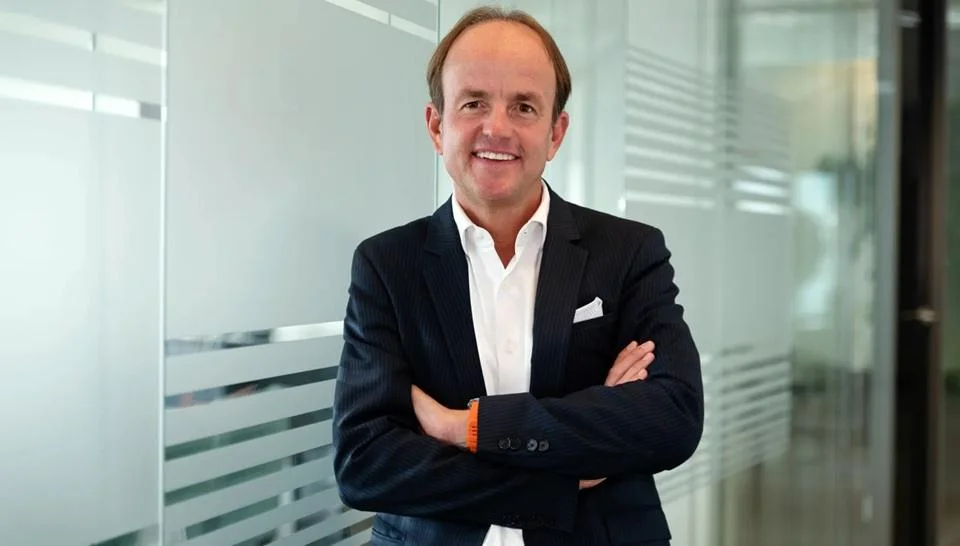
KIRKBI Climate, the investment arm of the LEGO Group’s holding entity, has made headlines with the appointment of Craig Arnold as Head of Circular Plastics. This strategic choice underscores the firm's commitment to addressing pressing climate challenges through proactive engagement in the circular plastics sector. On the surface, this might seem like just another leadership change, but it’s indicative of a larger trend where companies recognize the importance of sustainability in their core operations. With an increasing public demand for environmentally friendly policies, KIRKBI’s move reflects a growing acknowledgment of corporate responsibility.
Investment Strategy Focus
The Circular Plastics initiative is an essential part of KIRKBI Climate’s extensive vision aimed at directing roughly DKK 10 billion (about $1.5 billion) over the next five years toward endeavors in not just circular plastics but also Energy Transition and Land Sustainability. These targeted allocations signify a multifaceted approach to sustainability, capturing the intertwined nature of climate challenges. Such a significant financial commitment implies a strong belief that investment now can yield substantial returns—not just in terms of profit but also societal benefits, which could further enhance KIRKBI’s reputation as a leader in corporate environmental responsibility.
Expertise for Circular Solutions
Anupam Bhargava, the CEO of KIRKBI Climate, highlighted Arnold’s vast industry expertise and background as pivotal for the firm's ambitions. In his words, “Craig’s understanding of the plastics value chain and his expertise in business transformation is exactly what we need to foster partnerships and scale our investments in Circular Plastics.” This encapsulates an industry recognition that effective solutions demand knowledge and innovative thinking. Arnold’s ability to navigate complex business landscapes will be crucial as KIRKBI seeks to implement circular economy principles across its operations. Expecting real impact here is almost a must if you're tracking sustainability trends in business.
Arnold’s Background
Craig Arnold enters his new role with an impressive resume. Prior to joining KIRKBI, he served as Executive Vice President at Borealis, where his focus was on polyolefins. He led initiatives aimed at enhancing the company's circularity—a concept that is becoming more central to modern plastics manufacturing. His extensive career also includes senior roles at Ferroglobe and two decades spent at Dow Chemicals. This breadth of experience provides him with a nuanced understanding of the industry's dynamics, from production to waste management. His lived experience across various influential organizations positions him uniquely to drive KIRKBI’s vision for a more sustainable future.
Commitment to Circular Economy
In expressing his enthusiasm for the role, Arnold noted his enduring commitment to the plastics and chemicals sector. “KIRKBI Climate’s patient capital approach and systems thinking are crucial for scaling circular solutions,” he remarked, showcasing readiness to engage meaningfully in this significant mission. It’s refreshing to see leaders who appreciate the need for long-term investment in sustainability, especially when many companies tend to prioritize short-term financial gains. Arnold’s insights signal that KIRKBI is not just participating in a trend; it’s aligning its foundational strategies with an evolving industrial paradigm.
Implications and Future Outlook
This appointment and the associated initiatives are more than mere corporate strategy; they indicate a shift in how large corporations might begin to operate amid climate crises. Consumers and investors are increasingly scrutinizing companies for their environmental impact. For KIRKBI, this could mean positioning itself as a benchmark for others in the industry to follow. If you're working in this space, the implications here extend beyond plastics; they encompass broader issues of sustainability and corporate ethics. You can expect other firms to take note and reassess their own strategies in response to KIRKBI's public commitment.
While Arnold’s track record suggests he’s equipped to guide these efforts, the true measure of success will be how effectively KIRKBI translates its financial investment into real-world impact. Will it be able to forge the necessary partnerships and develop scalable solutions? That’s the part most people overlook. In an industry often riddled with greenwashing claims, the authenticity of KIRKBI’s commitment will likely be under scrutiny. As we look ahead, the challenge lies not only in identifying effective sustainable practices but in implementing them meaningfully across the entire plastics value chain. Keeping an eye on KIRKBI's next moves will be crucial for anyone interested in sustainability trends within the corporate world.



Discussion
Sign in to join the discussion.