PJM has fast-tracked interconnections for 2.1 GW of energy projects from Engie and LS Power, set to come online by mid-2029.
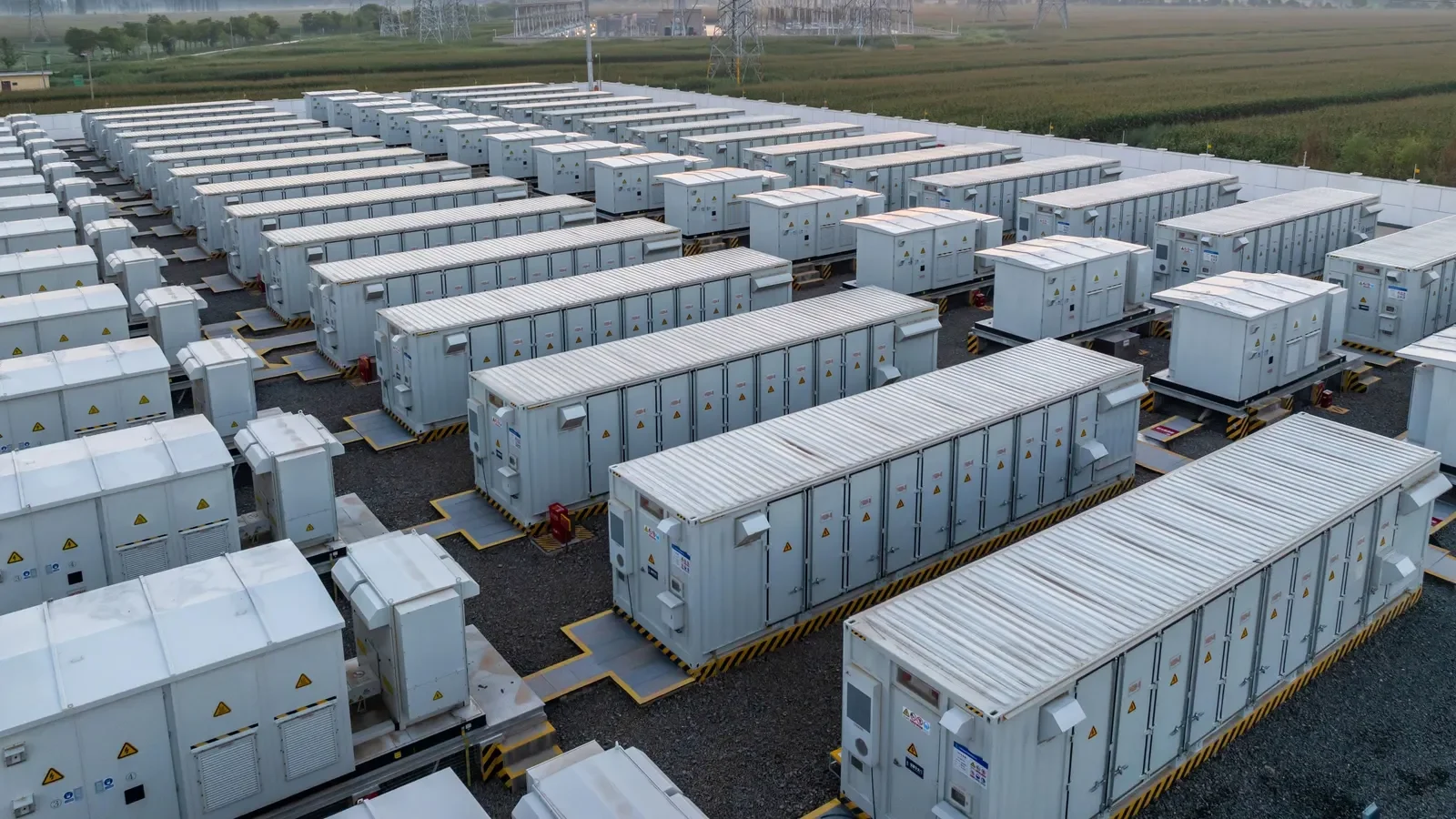
The PJM Interconnection has taken significant steps in its Expedited Interconnection Track process, approving three energy projects totaling 2.1 GW. This includes two energy storage initiatives from Engie IR Holdings and a gas-fired uprate from LS Power, announced on October 8, 2026.
Details of the Approved Projects
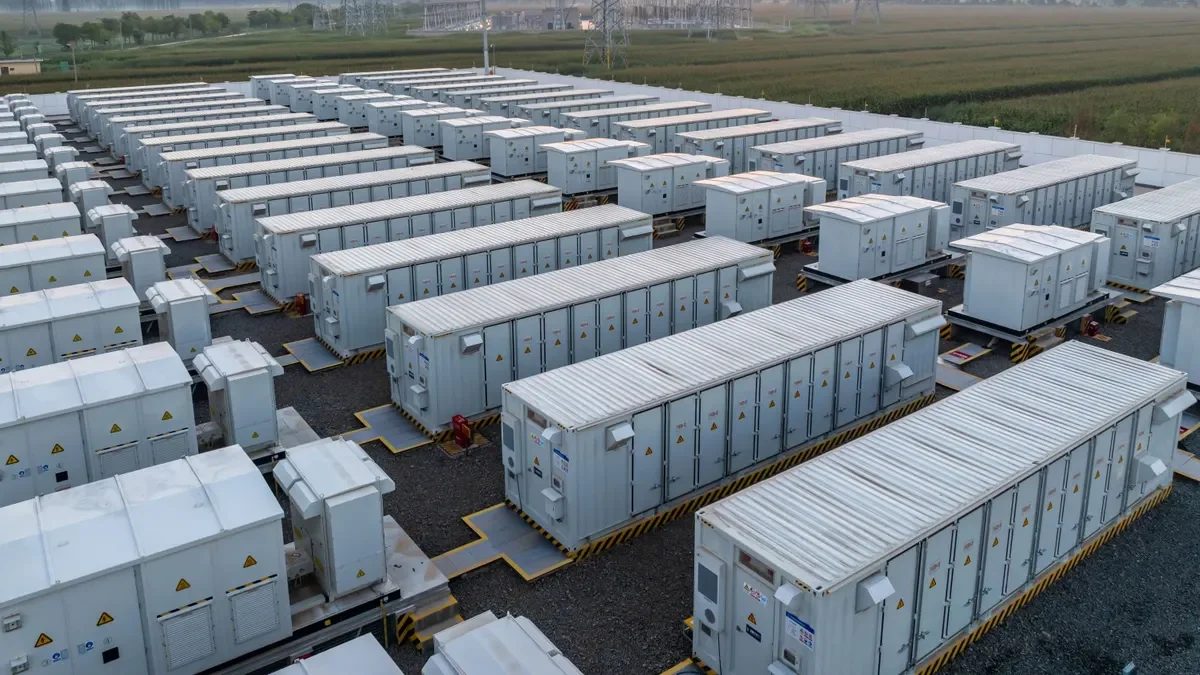
Engie's initiative encompasses an 860-MW storage facility planned for Crawford, Pennsylvania, alongside an 800-MW storage site in Morrow, Ohio. Energy storage has become increasingly relevant as grid operators adapt to intermittent renewable energy resources. Storage systems allow excess energy generated during peak production times, particularly from solar and wind, to be saved and dispatched later. This flexibility taps into a critical need for reliable energy supply while integrating more renewable sources into the energy mix.
On the other hand, LS Power aims to enhance the Hunterstown power plant in Adams, Pennsylvania, by adding 455 MW to its existing 810-MW combined cycle generation capabilities. Natural gas has been a favorite choice for new generation capacity due to its relative abundance and lower emissions compared to coal. This investment reflects a continued reliance on gas as a bridging technology while the industry gradually transitions towards more sustainable energy solutions.
Timeline and Operational Goals
PJM anticipates these projects will go operational by mid-2029, aligning with increasing grid demands fueled by data centers and other factors. The region is facing tight supply conditions, with a scarcity of new generation sources exacerbating the situation, thus influencing capacity costs significantly. The promise of these projects to deliver energy reliability is crucial; the urgent necessity for new resources cannot be overstated. Manufacturing, cloud services, and data centers are pushing demand in ways that require immediate action from operators like PJM.
Expedited Interconnection Track Process
The expedited review process was initiated following approval from the Federal Energy Regulatory Commission in June, which permitted PJM to accelerate the application timeline. This approach aims to address a critical bottleneck: the typical interconnection process can be lengthy and cumbersome. By launching this version on July 31, 2026, PJM is focused on larger projects over 250 MW that can begin production within a three-year window. Interestingly, PJM has set a limit of accepting up to 10 interconnection requests annually under this framework, which is slated to expire at the end of 2027. This is a clear indication that while the environment is supportive, it's also time-sensitive. Failure to secure new capacity soon could mean a tightening of energy availability.
Many in the industry will scrutinize how PJM balances the number of projects accepted with the emerging demands of the grid. If you're working in this space, you're likely already familiar with the tension between rapid expansions in demand and the practical limitations of grid infrastructure upgrades. This expedited process signals that PJM recognizes these challenges yet endeavors to better align generation capabilities with demand.
Future Considerations and Implications
By implementing this temporary interconnection process, PJM aims to enhance generation capacity and streamline the integration of new resources into a grid under pressure from escalating demand. The operator is also exploring other measures, such as pending reliability backstop procurement and updates to interconnection service rules to facilitate the inclusion of new generation projects. There's a real urgency here, as failing to do so could lead to capacity shortages just as the region’s energy needs continue to swell.
Engie’s and LS Power’s projects mark a pivotal step toward meeting the increasing energy demands within the PJM region, reflecting a proactive approach to fortifying the grid infrastructure. These initiatives are more than just numbers—they represent a fundamental shift in how energy providers are addressing the future. The real question remains: will these projects be enough to enable stability in the face of relentless demand? A viable energy future hinges on such developments.



Discussion
Sign in to join the discussion.