Epyr has raised €15 million to scale its thermal energy storage solutions, targeting a significant shift in the industrial heating sector toward low-carbon electricity.
Background on Thermodynamic Challenges in Industry
Industrial heating constitutes about 20% of the world's total energy consumption, a staggering figure that highlights the sector's heavy reliance on fossil fuels, particularly natural gas. This dependency is especially pronounced in Europe, where strict climate policies and energy independence initiatives necessitate a shift towards more sustainable energy sources. Traditional heating methods not only contribute to greenhouse gas emissions but also pose challenges for energy management, especially as countries seek to meet aggressive carbon reduction targets.
As energy demands increase, the need for innovative solutions becomes more pressing. Industries are often stuck in a cycle of using the cheapest available fossil fuels, which ultimately constricts their ability to adopt cleaner technologies. Transitioning to electrified heating systems is not just a regulatory obligation; it's an economic necessity as energy prices fluctuate and the geopolitical climate remains uncertain.
Epyr's Revolutionary Approach to Thermal Energy Storage
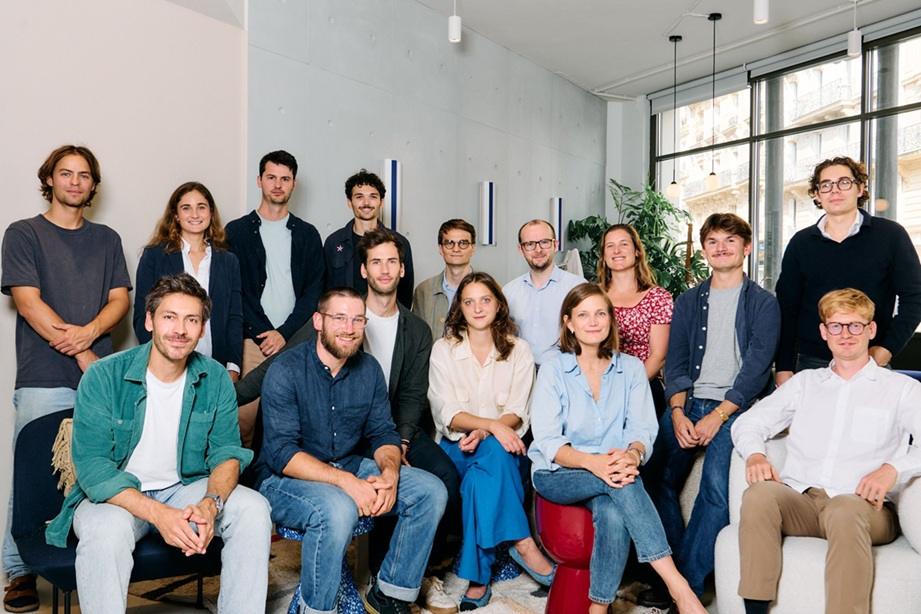
The French startup Epyr, founded by Léa Dardenne and Bastien Oggeri in 2024, aims to tackle this pressing issue with a novel approach centered on thermal energy storage. By allowing industrial facilities to create high-temperature heat from low-carbon electricity, Epyr's technology promises to redefine how energy is consumed and managed in the industrial sector.
What sets Epyr apart is its innovative use of Heat-as-a-Service, which combines thermal storage technology with system integration and energy management. This model effectively lowers barriers for industries looking to adopt cleaner technologies, as it allows them to shift costs from upfront capital to operational expenditures. Such a shift can make transitioning more palatable for cash-strapped firms reluctant to invest heavily in new energy infrastructures.
Funding and Future Initiatives
With a €15 million (roughly $16.8 million) Series A funding round now secured, Epyr is well-positioned to roll out its initiatives on a larger scale. The funds will support a significant thermal storage project for Papeco, a French tissue manufacturer. This project is poised to be noteworthy, as it will be France's largest thermal energy storage unit, capable of meeting all of Papeco's natural gas requirements with an impressive 35 MWh output.
In a sector where high energy costs can drive companies to operate inefficiently, Epyr's technology offers a viable alternative. By harnessing energy during off-peak hours, when prices tend to dip, the startup aligns itself with energy market trends while also providing a solution that mitigates emissions. The focus on minimizing costs while maximizing efficiency is particularly smart; it directly addresses key concerns that industries face today.
Investment Confidence and Market Reception
The investment in Epyr is notably led by SlateVC, along with backing from several other well-regarded investors such as AENU and Daphni. Sébastien Léger, co-founder and general partner at SlateVC, has voiced strong confidence in the startup’s ability to impact the €100 billion industrial heat market.
Such investor enthusiasm signifies a recognition of the underlying shift required in energy consumption patterns. The belief among investors that Epyr will emerge as a leader in this market isn’t merely based on technology but reflects an understanding of market dynamics that are rapidly favoring clean energy solutions.
It's essential for industries to pay attention to this trend. If you're working in this space, the implications of transitioning to cleaner technologies could be extensive—not just environmentally, but also economically. Not every innovation survives the rough-and-tumble of market realities, but those that tackle existential issues like energy cost and environmental impact certainly hold greater promise.
Implications and Future Outlook
The urgency that leaders such as Dardenne and Oggeri have highlighted can’t be overlooked. With France reportedly experiencing numerous instances this year of minimal or even negative electricity prices, Epyr's approach capitalizes on market conditions that many companies might not even recognize. And this is the part most people overlook: they often dismiss the importance of timing in energy economics. The reality is that companies that adapt quickly to these changing energy price landscapes will not only save money but may also fortify their position in the market.
As industries grapple with regulatory changes and increased competition from sustainable technologies, Epyr's success could set a precedent. If the startup demonstrates a reliable model for reducing both operational costs and emissions, we may see similar companies emerging to offer competitive alternatives. The stakes are high; the path to decarbonization is not merely about compliance but survival in an increasingly energy-conscious marketplace.
The future may hold a shift in how industries think about energy consumption altogether. As technologies like Epyr’s experience wider adoption, the industrial sector could become less beholden to the fossil fuel market. It’s a shift that represents not just a technological evolution but a cultural one—an awakening to sustainable practices that demand attention from all industry players.



Discussion
Sign in to join the discussion.