Engie and CMA CGM are joining forces to create a biomethane facility in France, advancing the shipping giant's decarbonization goals and boosting renewable fuel supplies.
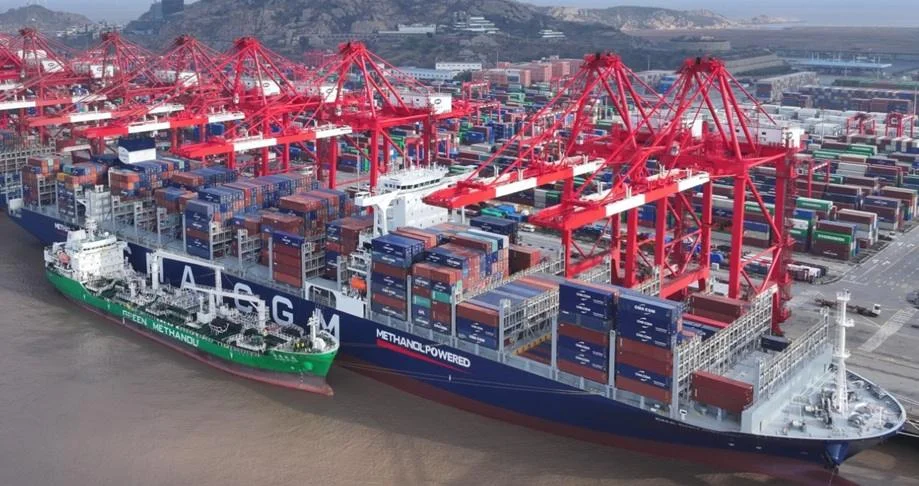
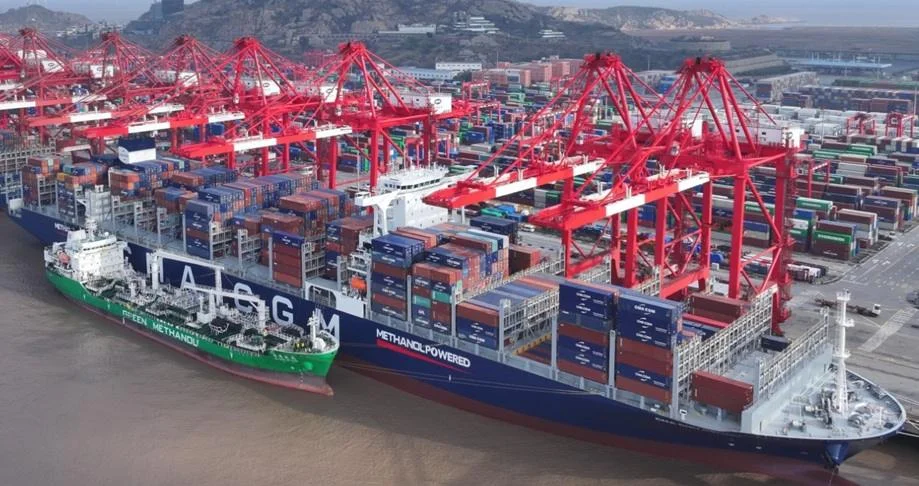
In a strategic move towards greener shipping, Engie has finalized a framework agreement with CMA CGM to create a biomethane production facility in France. This project aims to furnish renewable fuel to drive the decarbonization efforts of CMA CGM's shipping fleet. The partnership reflects broader trends in the shipping industry, where major players are increasingly seeking sustainable alternatives to conventional fuels. As environmental regulations tighten and public awareness grows, initiatives like this are set to become more pivotal.
Facility Development and Operations
Set to launch in the 2029-2030 timeframe, the facility is designed to transform livestock waste, household organic refuse, and agricultural byproducts into biomethane. By utilizing waste that would otherwise contribute to greenhouse gas emissions, this production methodology illustrates a circular economy approach. The renewable gas will integrate into CMA CGM’s systems via the European gas network, adhering to a certified mass-balance methodology. This method ensures traceability and sustainability of the biomethane produced, an essential factor in gaining regulatory approvals and consumer trust.
Engie will spearhead the facility's development, encompassing technical design, permitting, construction, and eventual management, pending a final investment decision. This commitment aligns with Engie's stated objective to ramp up biomethane production capabilities in Europe significantly. Currently at 1.2 TWh, the company is ambitiously targeting a dramatic scale-up to 10 TWh by 2035. Such goals underscore the urgent demand for renewable energy solutions as Europe aims to meet its climate commitments.
Ambitions for Decarbonization
Catherine MacGregor, Engie’s CEO, emphasized the ambition behind this partnership, stating, “With the construction of this new facility, we are pursuing our ambition to expand biomethane production capacity in support of the energy transition.” This collaborative endeavor with CMA CGM exemplifies how cross-industry partnerships can yield tangible solutions for sectors that are hard to electrify, such as shipping. The reliance on fossil fuels in maritime transport has long been a sticking point in environmental discussions, making this collaboration particularly timely.
CMA CGM has set its sights on achieving net-zero carbon emissions by 2050 and anticipates having over 200 dual-fuel vessels operational on biomethane and other low-carbon fuels by 2030. What’s significant here is the evolution of marine fuel technology; biomethane can cut lifecycle greenhouse gas emissions by a minimum of 67% compared to traditional marine fuels. This is more significant than it looks, given the scale of emissions produced by the shipping industry. Additionally, these eco-friendly alternatives can be utilized in existing LNG-powered ships without requiring engine modifications, simplifying the transition process.
Investment and Environmental Impact
CMA CGM plans to invest as a minority stakeholder in the biomethane project through its energy investment fund, PULSE, which supports the decarbonization of logistics. This initiative builds on an earlier partnership between the two companies formed in 2021. It's intriguing to see how such collaborations can blend corporate interests with sustainability goals, offering a model for how other sectors might respond to environmental imperatives.
The biomethane facility aims to generate around 7,000 tons of fuel annually—equivalent to 100 GWh— and could prevent approximately 23,000 tons of CO₂ emissions each year. Apart from serving as a fuel source, the facility is expected to produce 100,000 tons of digestate that can benefit local agriculture by enhancing soil quality. This dual-use of materials—fuel for ships and organic matter for farms—will also neutralize some greenhouse gas emissions, (and this is the part most people overlook) driving home the advantages of integrated waste management systems.
Rodolphe Saadé, CEO of CMA CGM, highlighted the significance of this initiative by stating, “As we invest together in biomethane production in France’s largest container port, Le Havre, we are pursuing our long-term vision in securing access to renewable fuels.” This partnership represents a significant step in advancing CMA CGM’s decarbonization strategy and contributes to France's and Europe's energy independence. It also raises questions about how quickly similar initiatives can be scaled across different regions and sectors, considering the complex regulatory and logistical challenges.
Implications and Future Outlook
The collaboration between Engie and CMA CGM mirrors a growing urgency across industries to embrace sustainable practices as climate change accelerates. This venture into biomethane isn't just about complying with regulations; it's a proactive strategy aimed at future-proofing both companies against an uncertain energy market. As fossil fuel access becomes more fraught with challenges, the groundwork laid by projects like this could serve as a template for others.
Looking ahead, the success of this biomethane facility has the potential to act as a catalyst for more extensive industry-wide changes. If you're working in this space, consider how these developments may reshape operational standards and expectations. While the timeline extends into the next decade, the immediate effects on investment strategies and collaborative frameworks could start shaping decisions today. Companies need to ask themselves: Will they follow suit, or be left behind in a rapidly transforming market?



Discussion
Sign in to join the discussion.