Sweep and Climatiq’s new tool lets suppliers build auditable product footprints from bills of materials, giving buyers comparable Scope 3 data.
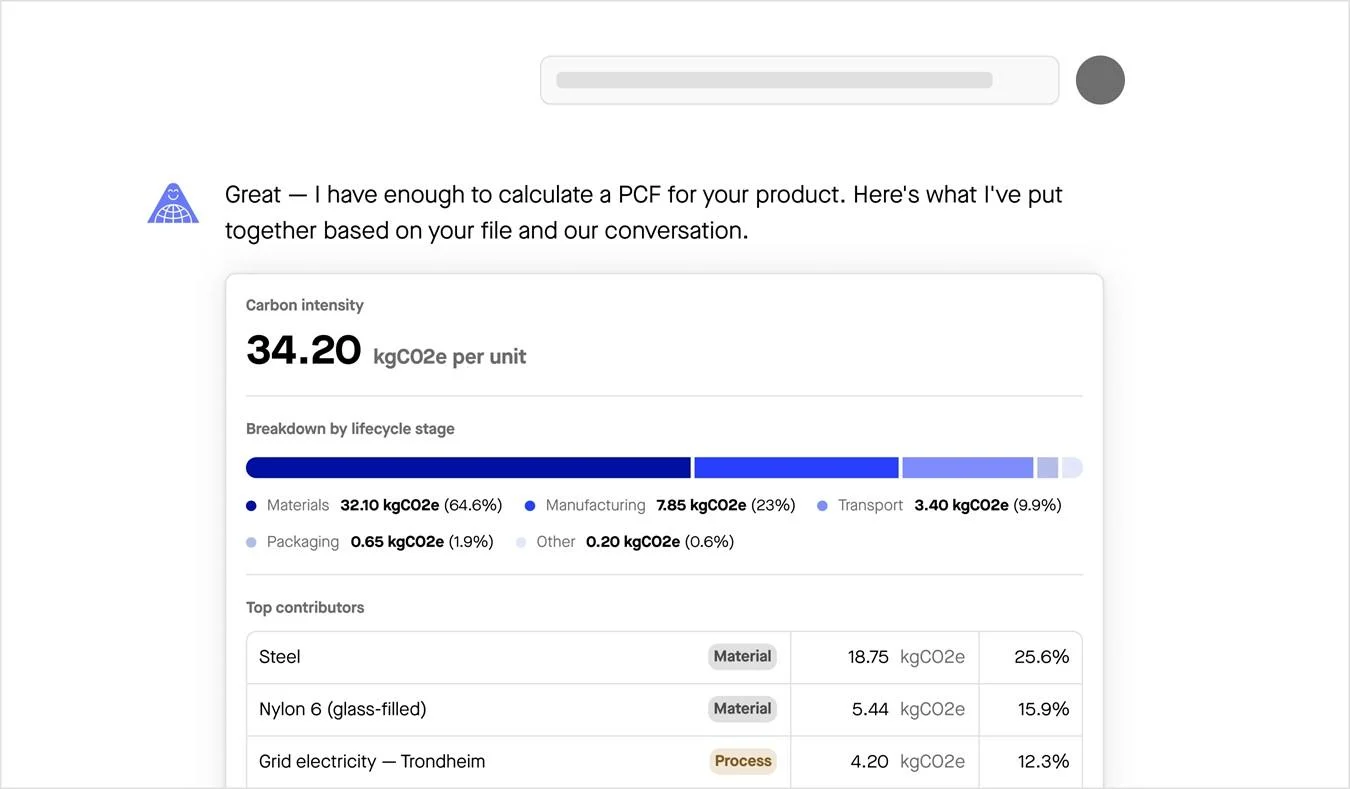
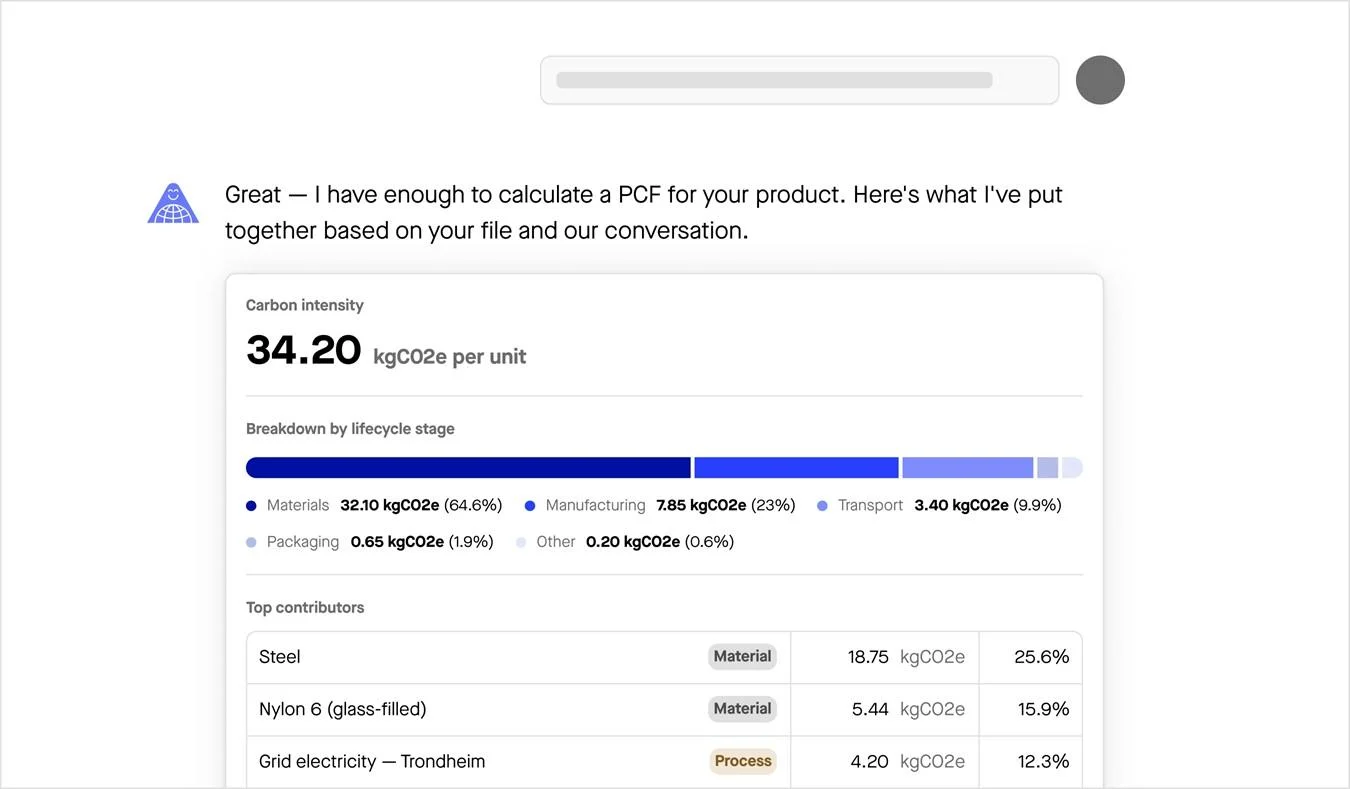
Sweep and Climatiq are building a supplier-facing route to product-level emissions data, a practical step for companies seeking more defensible Scope 3 reporting than spend-based industry estimates can offer. Their partnership embeds Climatiq’s carbon calculation engine in Sweep’s supply chain product. The approach shifts attention from broad estimates based on purchasing costs toward the materials and processes associated with individual products, though the quality of the result will depend on what suppliers can provide and how well the system interprets it.
Scope 3 emissions come from activities across a company’s value chain, including the production of goods it buys. Those emissions can be difficult for a buyer to measure directly because much of the relevant information sits with suppliers. Spend-based estimates offer a way to fill gaps, but they infer emissions from expenditure and industry averages rather than a product’s particular composition. A product-level footprint can potentially give buyers a more specific starting point. It won’t, by itself, make every underlying assumption certain.
The guided workflow asks suppliers to upload a bill of materials. Sweep’s AI and Climatiq’s emissions-factor matching then generate an auditable product carbon footprint aligned with PACT. The shared method is intended to let buyers compare products across suppliers and identify where sourcing or emissions-reduction efforts could have the greatest effect.
A bill of materials gives the calculation a more concrete basis by listing what goes into a product. The emissions factors connect those inputs to estimates of their climate impact. That connection is where the work becomes consequential: matching a material to an appropriate factor can make a footprint more relevant than a broad industry proxy, while a mismatch or incomplete input can weaken it. “Auditable” therefore matters as a description of the intended output, but readers should understand it as a quality goal, not proof that every supplier input has been independently verified.
PACT alignment is also central to the proposal. A common method can make data easier to interpret across buyers and suppliers, particularly when companies have different internal systems. Still, a shared method doesn’t remove differences in supplier records, product boundaries, or the completeness of submitted information. The partnership is offering a structured way to produce and compare figures; the figures will still need context when companies use them.
Making supplier data usable
The companies say the tool addresses a common gap: many suppliers have never calculated a product carbon footprint, while buyers face pressure to improve Scope 3 data as sustainability reporting requirements emerge, including the EU’s CSRD and California’s SB253. That gap creates a practical problem for both sides. Buyers need information tied to the products they purchase, while suppliers may lack a process for turning operational or materials records into a footprint that customers can use.
A guided upload could lower the burden of getting started, especially for suppliers without an established carbon-accounting process. It also places some of the work in the hands of suppliers, who are closer to the product details than their customers are. The harder question is whether the requested information is available, consistent, and detailed enough to support comparisons. A simpler interface can make a process easier to enter; it can’t create missing records or resolve every ambiguity in how a product is made.
“Heads of sustainability all tell us the same thing: they’d rather have estimated supplier emissions data than supplier-provided data they can’t defend,” said Rachel Delacour, Sweep’s CEO and co-founder. She said the partnership gives suppliers starting from scratch a way to produce credible footprints and gives buyers figures they can support in reporting.
Delacour’s point captures a tension in corporate emissions reporting: information can come directly from a supplier and still be difficult for a buyer to assess. A calculated estimate may be more useful if its assumptions and method are clear, but that doesn’t make estimation equivalent to measurement. The practical value lies in giving buyers a traceable basis for the figure and a way to see where better supplier data could improve it. That distinction will matter to teams deciding how much weight to place on the resulting footprints.
Climatiq CEO and co-founder Hessam Lavi said the collaboration makes product-level carbon information accessible across enterprise supply chains. The measure of its value will be whether suppliers can provide consistent footprints that buyers can use to compare products and guide decisions.
Consistency is the key test. If two suppliers submit information in comparable ways, buyers may be better equipped to assess products on a similar basis. If their inputs differ substantially in detail or quality, a common calculation process may still produce figures that look comparable without being equally reliable. (And this is the part most people overlook.) The usefulness of the output depends as much on supplier participation and data quality as on the software doing the calculation.
What buyers and suppliers should watch
For buyers, product-level footprints could help focus questions that broad estimates leave unanswered: which materials contribute most to a product’s reported impact, and where might a sourcing change make a difference? Those are useful questions, but a footprint is an input to a decision, not the decision itself. Companies will still need to consider whether products meet their needs and whether the information is sufficiently comparable to guide purchasing choices.
Suppliers, meanwhile, may face repeated requests from different customers for emissions information. A shared approach could make it easier to provide data in a form buyers recognize, particularly if the same product information can support more than one customer conversation. Yet suppliers will have to judge what records they can provide and how much work is involved in maintaining them. If the workflow proves too demanding, the very companies it’s meant to bring into reporting could struggle to participate.
There’s also a difference between generating a footprint and improving one. The first gives a company a baseline to discuss; the second requires better information or changes to the product or its supply chain. The partnership’s stated aim includes helping buyers identify where reduction efforts may have the greatest effect, but the calculation alone won’t show that a proposed change is feasible or beneficial in every other respect. It can make a decision better informed.
This is more significant than it looks, because supplier data is often the part of Scope 3 reporting that companies can’t obtain through their own systems. But the partnership’s promise rests on execution: suppliers must be able to submit useful bills of materials, the matching process must produce explainable results, and buyers must treat the estimates with appropriate care. If you’re working in this space, the question to watch is whether the workflow turns data requests into repeatable supplier participation. A footprint buyers can compare and defend. That’s the real test.



Discussion
Sign in to join the discussion.