The Kansas Prairie Festival recently honored The Land Institute’s 50 years of advancing perennial agriculture, emphasizing a sustainable future for food production.
The Prairie Festival: A Milestone in Sustainable Agriculture
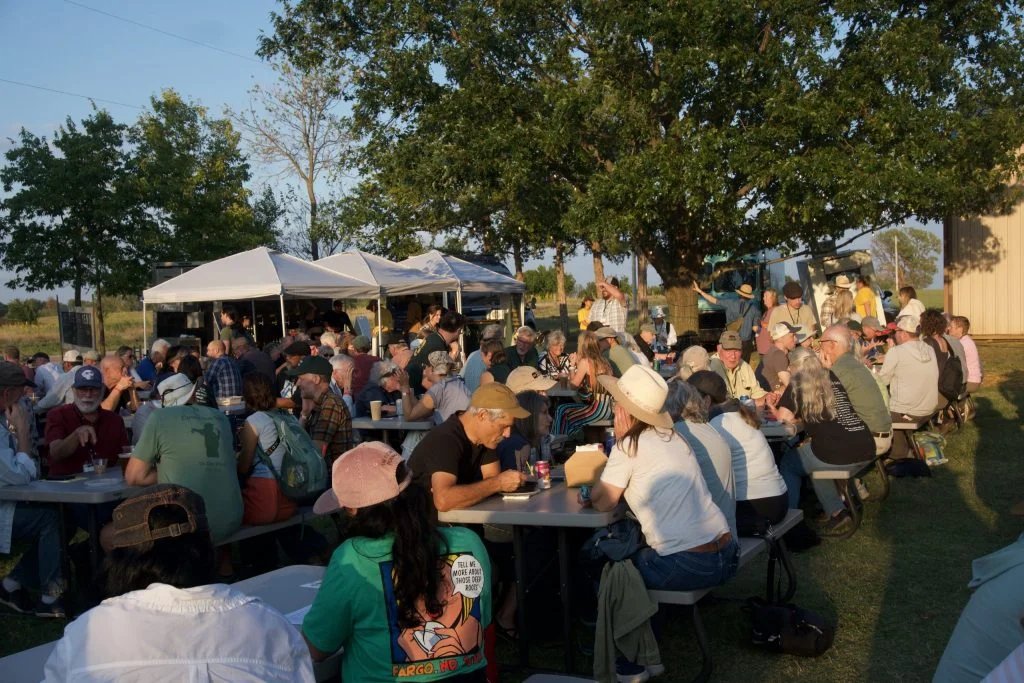
SALINA, Kan. – The Kansas Prairie Festival recently brought together over 1,000 attendees to commemorate the 50th anniversary of The Land Institute. This celebration highlighted the significant strides made in promoting sustainable agricultural practices that enhance soil and water health. Established in 1976 by Wes and Dana Jackson, The Land Institute began as an educational initiative focused on farming methods that respect natural ecosystems, conserve resources, and manage waste.
Reconceptualizing Grain Production
Wes Jackson, who transitioned the Institute’s mission in 1978 towards groundbreaking plant research, envisioned a radical shift from traditional annual grain farming that depletes soil health. His goal was to cultivate perennial crops—plants that grow year after year, establishing deep root systems which increase resilience against pests, diseases, and drought. Inspired by the native tallgrass prairies of Kansas, Jackson’s vision emphasized the need for a more sustainable and ecologically sound approach to agriculture.
Kernza: A Breakthrough in Perennial Crops
The culmination of decades of research has been the creation of Kernza, the first commercially available perennial grain, which is now being used for various products including beer and baked goods. As of now, over 4,000 acres across 15 states, primarily Minnesota, Kansas, and Montana, are cultivating Kernza. This success story illustrates the potential for perennial crops to reinvigorate agricultural practices in the U.S. and beyond.
Global Collaborations and Developments
The Land Institute has expanded its research efforts, collaborating with agricultural specialists globally to explore the development of perennial rice and sorghum. These projects not only highlight the Institute’s dedication to ecological farming but also reflect a growing interest among universities and researchers in alternative agricultural methods. With significant funding and support from the U.S. Department of Agriculture, the shift towards sustainable agricultural practices is gaining momentum across multiple fronts.
A Cultural Shift Towards Sustainability
The Prairie Festival served as a platform for discussing the broader implications of sustainable farming, especially in light of environmental crises like climate change. Observers noted the importance of embedding ecological principles at the heart of agricultural practices. Rachel Stroer, current president of The Land Institute, remarked on the enduring influence of the Jacksons, whom she credited with fostering a global movement that seeks to co-create sustainable, future-oriented food systems.
Lessons from the Prairie: Community and Ecology
Discussions at the festival underscored the challenges facing contemporary agriculture. It’s clear that reliance on industrial methods, which often involve harmful chemicals, poses significant risks to both ecosystems and human health, as evidenced by rising pollution and health issues in agricultural regions. The festival's atmosphere encouraged a rethinking of farmland management, not just as an economic activity but as part of a shared community ethos focused on collaboration and ecological integrity.
Wes Jackson's Vision for the Future
Wes Jackson has remained a vital figure throughout these years, communicating the critical nature of shifting to perennial-based farming systems. During conversations about the current agricultural challenges, Jackson pointed out that nature’s systems showcase a model of resilience and interconnectedness that should inspire agricultural practices. He stressed the necessity of fostering community ties and cooperative efforts among farmers to cultivate systems that thrive harmoniously with the environment.
Looking Ahead: The Path for Agriculture
As The Land Institute heads into its next 50 years, the urgency of developing sustainable agricultural frameworks becomes ever clearer. Jackson’s vision calls for perennial agriculture to become mainstream, positioning it as a crucial step for human survival amid unprecedented environmental challenges. The Prairie Festival not only celebrated past achievements but also ignited conversations about an imperative, community-driven future in the face of declining family farms and environmental degradation.
The Kansas Prairie Festival represents more than a commemoration of The Land Institute's history; it signifies a growing recognition of the need for sustainable practices that harmonize agriculture with ecological health, ensuring a resilient future for both people and the planet.
Lead image: The Kansas Prairie Festival. Photo: © Keith Schneider/Circle of Blue



Discussion
Sign in to join the discussion.