The IRS has confirmed that biogas produced from livestock manure qualifies for a federal clean fuel tax credit, promoting biogas investment amid industry concerns.
IRS Guidance on Clean Fuel Tax Credits
The recent guidance from the Internal Revenue Service (IRS) clarifies that biogas extracted from livestock manure will be eligible for a federal clean fuel tax credit. This development is poised to stimulate investment in biogas projects across the country, leveraging anaerobic digestion technology to convert agricultural waste into renewable energy.
The Shift Toward Biogas
As farming operations increasingly seek effective solutions for managing significant amounts of manure, the move to include livestock-derived biogas in clean fuel credits signals a pivotal moment for the biogas sector. Proponents argue that these tax incentives will not only facilitate waste management but also convert harmful methane emissions into usable fuel, helping farms transition towards more sustainable practices.
Anaerobic digesters, which use microbial action to break down manure, produce a biogas mixture primarily composed of methane and carbon dioxide. This gas can be upgraded to renewable natural gas (RNG) for use in transportation and as a substitute for traditional natural gas. Currently, the U.S. hosts approximately 394 manure-based digesters, with over 70 more under development, marking a remarkable 55% growth in installations over the last decade.
Broader Applications Beyond Manure
In a notable expansion of its scope, the IRS guidance also encompasses biogas derived from other farm-related waste, including food scraps and crop residues. The clean fuel tax credits will additionally cover various biofuels, including ethanol, biodiesel, hydrogen, and sustainable aviation fuel.
Industry Reaction and Investment Potential
Advocates within the biogas community have lauded the IRS's clarification, suggesting it will catalyze fresh investments in biogas operations, particularly those along the rural-urban continuum. Patrick Serfass, executive director of the American Biogas Council, emphasized the potential of this initiative to develop new projects aimed at recycling organic waste, stating, “With this clarity, there are going to be biogas projects that are developed because there’s lots of organic waste that needs to be recycled.”
A recent report from the Council highlighted the substantial untapped potential for biogas projects, suggesting that the sector could support over 11,000 additional systems on farms across the U.S. Currently, the approximately 631 existing biogas systems account for a significant 25% of all RNG produced nationally.
Credit Dynamics Under Scrutiny
Despite the optimism, criticism surrounding the feedstock-to-energy conversion process remains prevalent. Detractors argue that these incentives could encourage factory farming practices, potentially exacerbating environmental issues rather than alleviating them. Tyler Lobdell, a senior staff attorney at Food & Water Watch, voiced concerns about the credit's implications, asserting that it favors large-scale, polluting agricultural operations at the expense of smaller, sustainable farms.
The IRS guidance specifically calculates the clean fuel credit based on historical waste management practices, with the highest emissions methods—such as liquid manure storage—providing a more favorable comparison baseline for future projects. This methodology raises questions about the intended beneficiaries of the credit, potentially rewarding operations with a spotty environmental record.
The Future of the Clean Fuel Credit
With the Clean Fuel Production Tax Credit, known as 45Z, set to expire in 2029, stakeholders are keenly aware of the urgency to maximize project development under the existing framework. Serfass highlighted that the recent clarification will likely expedite the momentum of pending biogas projects, emphasizing, “There are lots of organic waste that need to be recycled.”
Yet, there are broader systemic issues at play, especially for smaller farms that have not relied on high-emission waste management practices. Such entities may find themselves sidelined in favor of larger operations that undertake manure digesters merely as a means to capitalize on tax benefits rather than genuine environmental stewardship.
Final Thoughts
The IRS’s decision to incorporate manure biogas into the clean fuel tax credit realm underscores a complex interplay of environmental policy, agricultural practices, and renewable energy advocacy. While the potential for growth and investment in biogas projects is palpable, the industry must navigate the treacherous waters of sustainability versus profitability. As initiatives become increasingly entwined with agricultural policy, the outcomes of these financial incentives will play a crucial role in determining the environmental impact of future farming operations.
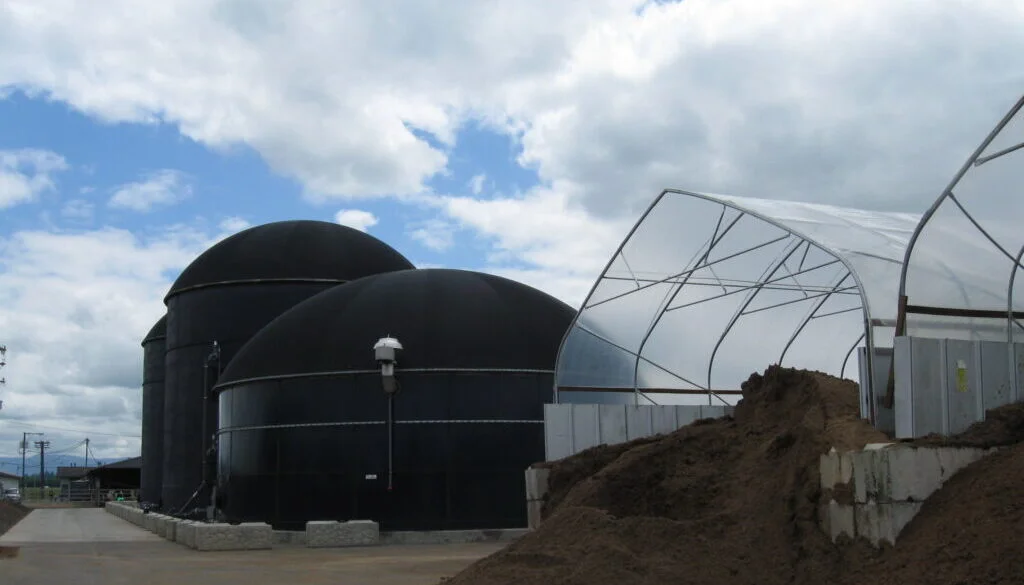
Image: Manure digester in Oregon. (Credit: Oregon Department of Agriculture/flickr)



Discussion
Sign in to join the discussion.