Singapore Airlines will buy up to 4,800 tonnes of SAF from Aether Fuels’ planned Singapore facility, with deliveries expected to start in 2028.
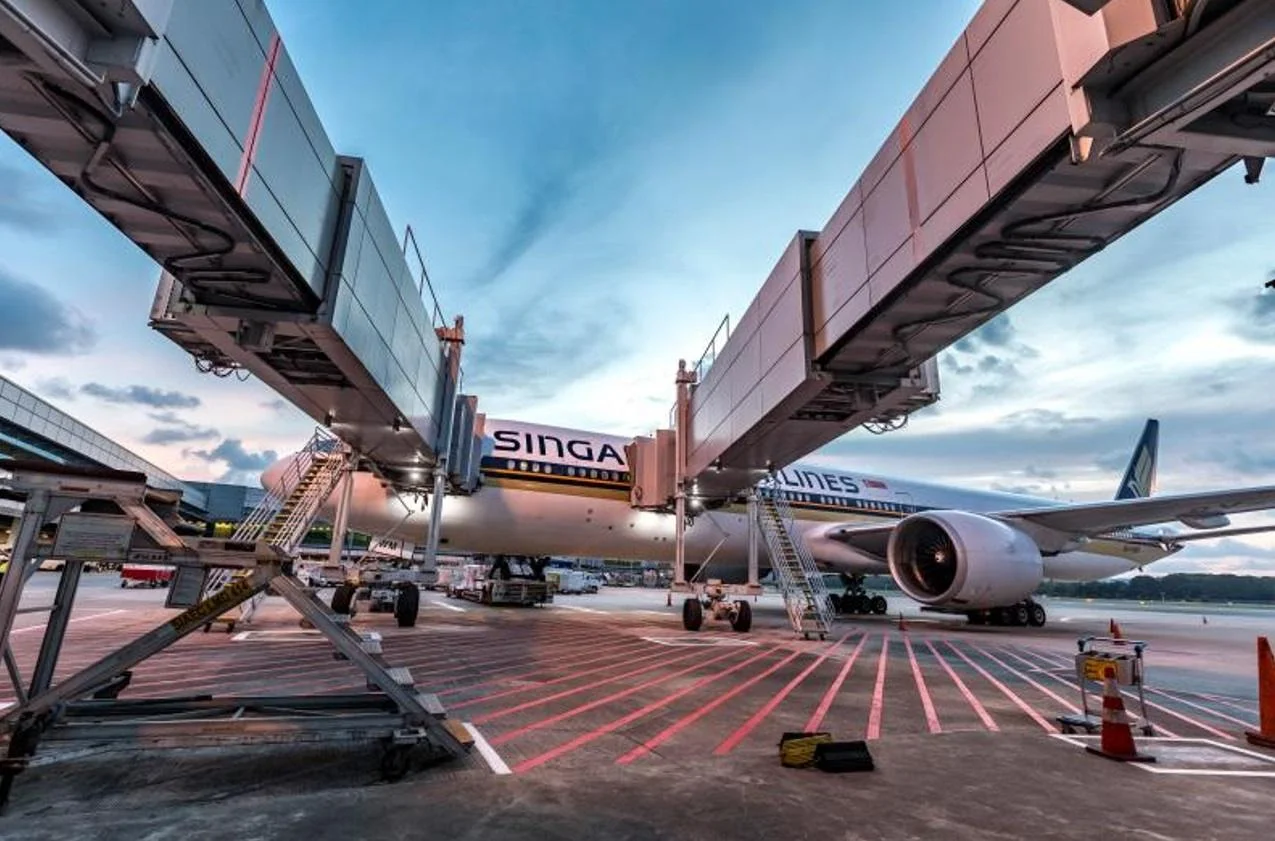
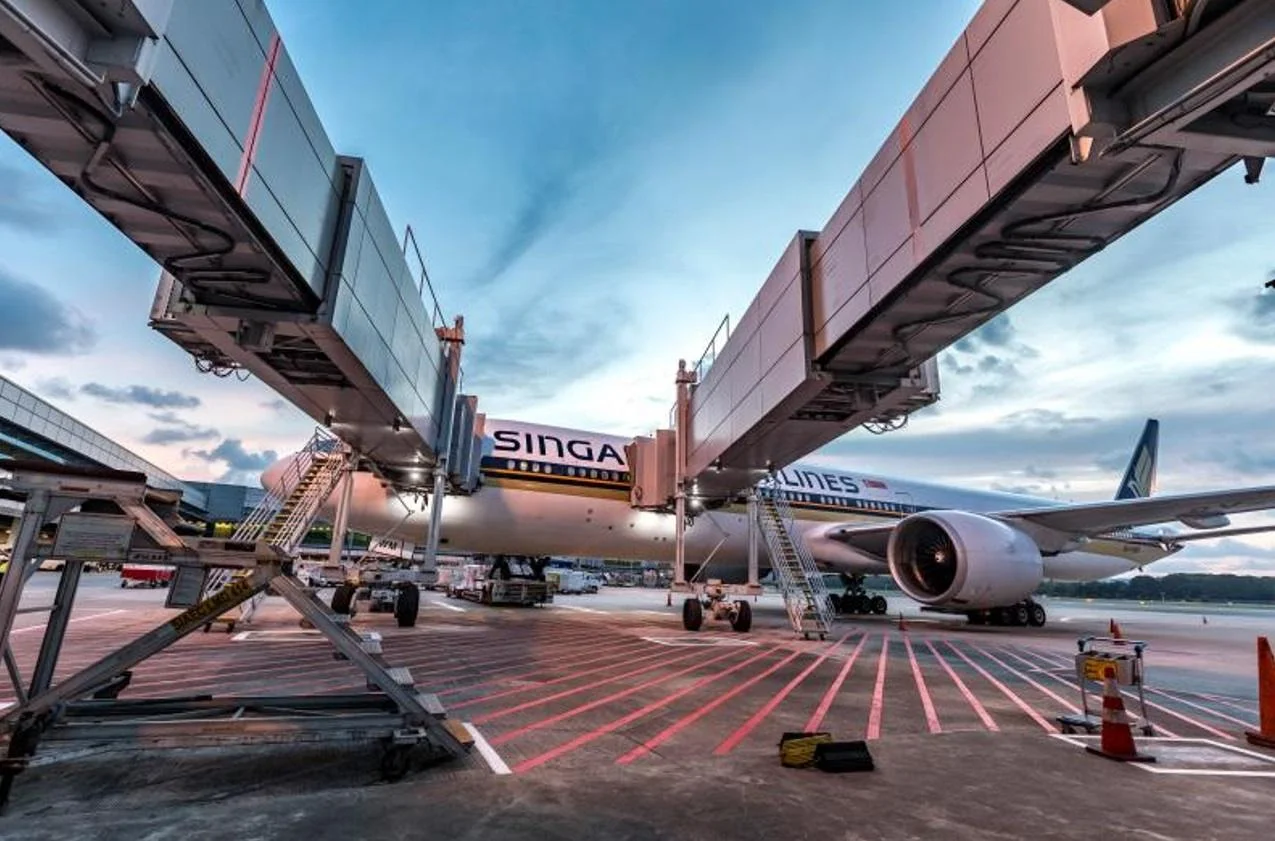
Singapore Airlines has agreed to buy up to 4,800 tonnes of sustainable aviation fuel from Aether Fuels over three years, with deliveries due to begin in 2028. The deal gives Aether’s planned Project Beacon facility an airline customer before the plant has begun production. That matters because new fuel pathways need more than a working process: they also need buyers willing to commit while supply is still being built.
The agreement is a demand signal, not proof that the facility will deliver on schedule or at the intended scale. Its value will depend on the work between now and those first expected deliveries: developing the plant, securing suitable feedstocks, and establishing the local supply chain. This is more significant than it looks, but the commitment’s size and terms leave room for a measured reading.
A different feedstock route
Project Beacon is Aether’s planned commercial facility at Aster’s refining complex on Pulau Bukom, Singapore. It’s designed to convert biomethane and industrial waste gases into aviation fuel. That approach offers an alternative to hydroprocessed esters and fatty acids, or HEFA, a route that depends on lipid-based feedstocks. The distinction matters because SAF production depends not only on demand for the finished fuel but also on what raw materials a process can use.
Aether says its process can work with feedstocks that can be converted to carbon monoxide, carbon dioxide, methane, or hydrogen. The company lists captured carbon dioxide, biogas, gasified municipal waste, and waste biomass among the possible inputs. That range could give the process more than one route to a carbon source, though the existence of several technically possible inputs doesn’t establish how much will be available to this particular plant or which ones it will use in practice.
Waste-derived fuel also shifts the questions that buyers and producers need to answer. Feedstock collection, conversion, and consistent fuel production all have to work together; a promising chemistry alone won’t make a commercial supply chain. And the climate value of a fuel depends on the details of how its inputs are sourced and processed. The announcement identifies the waste-carbon approach, but doesn’t provide figures that would let readers assess those factors for Project Beacon.
Founded in 2022 and based in Singapore, Aether develops liquid fuels for aviation and maritime use. That puts Project Beacon within a broader effort to find fuels suited to sectors where replacing liquid fuel can be difficult. The company’s stated ability to process different carbon-containing inputs is part of its case for this route. The next test is whether that flexibility can be translated into dependable production at a commercial facility.
What the offtake agreement establishes
The Singapore Airlines deal is the first airline purchase of fuel from Project Beacon, and the airline’s first purchase of SAF made with technology that converts waste-carbon feedstocks. It gives Aether a named customer and a defined purchase commitment as it develops the facility and local supply chain. For a planned project, that’s useful evidence of buyer interest. It doesn’t, by itself, show how much fuel the plant will eventually produce or how its output will compare with demand.
The volume is capped at up to 4,800 tonnes over three years. The wording matters: “up to” describes a maximum, rather than guaranteeing that the full amount will be delivered. The agreement’s significance therefore sits partly in its role as an early commercial commitment, not just in the tonnage. If you’re working in this space, the practical question is how a modest initial purchase could fit into a larger production plan, and what further commitments would be needed to support it.
Airline offtake agreements can help connect a producer’s plans with a buyer’s future fuel needs. They can also expose the gap between interest and supply: a commitment has to be matched by a facility that can produce the fuel, and by arrangements that get it to the buyer. Here’s the thing: the contract makes Project Beacon more than a plant proposal on paper, but the hard part is still ahead.
Building future supply
Aether CEO and co-founder Conor Madigan said the agreement advances work that began with a memorandum of understanding the previous year. Since then, the company selected Singapore for its first commercial plant and formed partnerships across the local value chain. Madigan said committed demand from a major airline can help establish the conditions for scaling new SAF pathways. That’s a clear description of the commercial logic: early buyers can give a developing project a reason to keep building.
Singapore Airlines Chief Sustainability Officer Lee Wen Fen said supporting SAF development and securing future supply are part of the airline’s ambition to reach net-zero carbon emissions by 2050. The purchase makes the airline the first to back Project Beacon with an offtake commitment, putting a commercial test in front of the planned facility as it works toward production. The airline’s stated ambition gives the deal strategic context, though the announcement doesn’t quantify how much this particular purchase would contribute to that goal.
And yet a first customer is a beginning, not a verdict on the pathway. Project Beacon must still move from a planned site and an identified production route to fuel deliveries expected in 2028. Along the way, the company will need to make its feedstock strategy and production plans work at the facility. The local partnerships Aether describes are part of that effort, but their presence alone doesn’t tell us how much supply they can support.
The test ahead
The deal’s broader significance lies in what it asks the market to evaluate. Can a process that uses waste carbon become a dependable source of aviation fuel? Can a planned plant secure inputs and deliver fuel on a timeline that matches an airline’s needs? Those questions will matter more as Project Beacon approaches production, and the announcement doesn’t yet answer them.
For now, the agreement gives both companies a concrete next step: Aether has an airline purchase commitment tied to its first commercial plant, while Singapore Airlines has backed a SAF pathway based on waste-carbon feedstocks. That said, readers should treat the deal as an early signal of demand, not evidence that supply constraints have been solved. A first customer. A plant still to be built. The deliveries will be the proof point.



Discussion
Sign in to join the discussion.