RepRisk data shows greenwashing concerns spreading across transition sectors as biodiversity, operational decisions and repeat allegations gain attention.
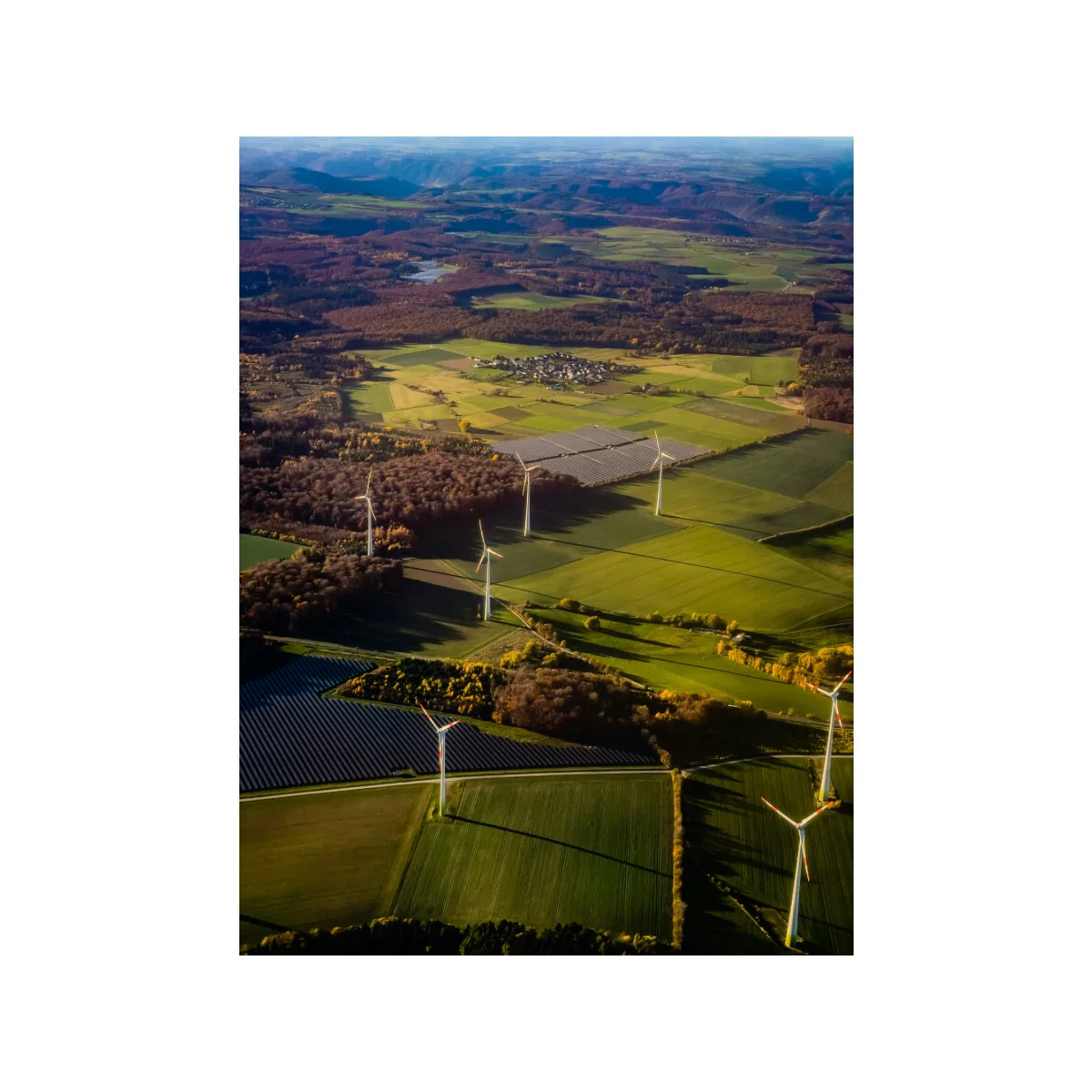
The energy transition is changing where greenwashing risk appears. Companies in renewables, mining, utilities and digital infrastructure may support decarbonization while creating other environmental or social pressures. The challenge for businesses is no longer just showing that an activity cuts emissions; it’s explaining its wider effects and backing each claim with evidence.
Transition sectors face growing scrutiny
RepRisk’s latest Greenwashing Report found that greenwashing related incidents rose 112% between 2022 and 2026. The number of companies linked to greenwashing reached 1,594 in 2026. The sector mix is shifting too: alternative energy, mining, industrial metals, utilities, and software and computer services now account for a larger share of concerns.
That shift reflects a basic tension in the transition. Renewable power, electric vehicles, critical minerals, transition finance, and digital infrastructure all play roles in reducing emissions. But a contribution to decarbonization doesn’t, by itself, establish that a project or business has a low overall impact. Wind and solar developments can affect ecosystems; mineral extraction can add pressure on water, land, and nearby communities. Carbon projects can also raise questions about the quality of their climate benefits and their social effects.
For years, corporate environmental performance was often judged primarily through carbon emissions. That remains central to climate action, but it can leave other consequences out of view. As investment flows into transition industries, scrutiny is following the capital—and testing whether companies’ claims account for the costs as well as the benefits.
Biodiversity moves to the center of the debate
RepRisk’s data points to a notable change in the issues associated with greenwashing risk. For the first time in five years, ecosystems and biodiversity became the environmental concern most frequently linked to greenwashing, ahead of climate change and emissions. Within alternative energy, biodiversity and ecosystem concerns also exceeded climate related concerns from 2022 to 2026.
That finding doesn’t undercut the case for decarbonization. It shows that a carbon only view can miss material impacts as projects move from targets and plans into construction and operation. Renewable infrastructure uses land. Batteries and electricity grids depend on mined materials. Industrial sites consume water, and large scale developments can alter habitats and affect communities around them.
Here’s the thing: calling an activity “green,” “clean,” or “sustainable” can suggest a broad benefit that the underlying evidence may not support. A project may reduce emissions while still carrying significant ecological or social costs. If a company describes the climate contribution but leaves those costs out, the claim can give an incomplete account of the project.
Companies therefore need to explain what their environmental language covers. A claim should make clear which impacts it measures, what evidence supports it, and where limits or unresolved trade offs remain. The more sweeping the description, the more important it is to show what sits behind it.
Risk is shaped by decisions across the business
Greenwashing is often treated as a communications problem: revise a campaign, tighten wording, or send a statement for review. Those steps can help, but they can’t repair weak project assessment, incomplete investment due diligence, or a sustainability strategy built on assumptions the company can’t substantiate.
RepRisk’s 2026 data also shows why the issue extends beyond companies that directly operate energy or infrastructure assets. Banks and financial services companies together remain the largest combined grouping of companies linked to greenwashing. Much of their exposure relates to businesses, projects, and assets they finance, invest in, or underwrite.
A financial institution can direct more capital toward transition finance and still face scrutiny over the activities that money supports. A company buying renewable electricity may need to account for the project’s effects on land, biodiversity, or communities. And a technology company can provide infrastructure used in decarbonization while drawing attention to its own energy, water, and resource use.
In each case, the eventual public claim depends on decisions made well before publication. Procurement, investment approval, supplier engagement, due diligence, project design, and governance all shape what a company can credibly say. Communications teams can state the case, but the people responsible for the underlying project or investment need to help establish it.
Disclosure rules don’t set the full credibility bar
Expectations are also becoming less consistent across jurisdictions. Some places are tightening rules on environmental marketing and disclosure, while others are narrowing certain reporting or due diligence requirements. RepRisk describes a widening gap between what companies are formally required to disclose and what investors, customers, regulators, or civil society may still expect them to support with evidence.
Meeting a reporting requirement may not settle questions about an environmental statement. A company could face fewer disclosure obligations in one area and still attract criticism for what it says voluntarily. Compliance can set a baseline, but it doesn’t necessarily resolve reputational or business conduct concerns.
The severity and recurrence of reported incidents underline that exposure. Nearly one in four greenwashing incidents now involves severe allegations, compared with about one in six in 2022. In 2026, three quarters of incidents involved companies that had already been linked to greenwashing in earlier years. Repeat scrutiny suggests that a single correction or revised claim may not address the underlying practices that generated concern.
Build claims from evidence and project knowledge
Companies can make environmental statements more defensible by connecting them to the work that produced the claimed benefits. First, due diligence should cover expected climate gains alongside material effects on water, biodiversity, and communities. The record should capture supporting evidence, key assumptions, and trade offs that remain unresolved.
Second, each claim needs a supporting file that records its scope, sources, limitations, and an owner responsible for keeping the evidence current. That gives reviewers a way to check whether the wording still matches the project and the information available.
Third, approval should involve the teams responsible for the investment or operation, together with communications and legal staff. If project conditions or evidence change, the wording should be reviewed as well. That process makes it easier to distinguish what a company can support now from what still needs more work.
Investment will continue to move into renewable power, minerals, infrastructure, technology, and transition finance. Participation in those fields can contribute to climate goals, but it won’t, on its own, prove that a company or project is sustainable. The stronger position is to state the benefits precisely, account for material impacts, and show how the evidence supports both.



Discussion
Sign in to join the discussion.