South Korea's new K-GX Strategy aims to invest $747 billion over the next decade for industrial decarbonization, renewable energy, and clean mobility.
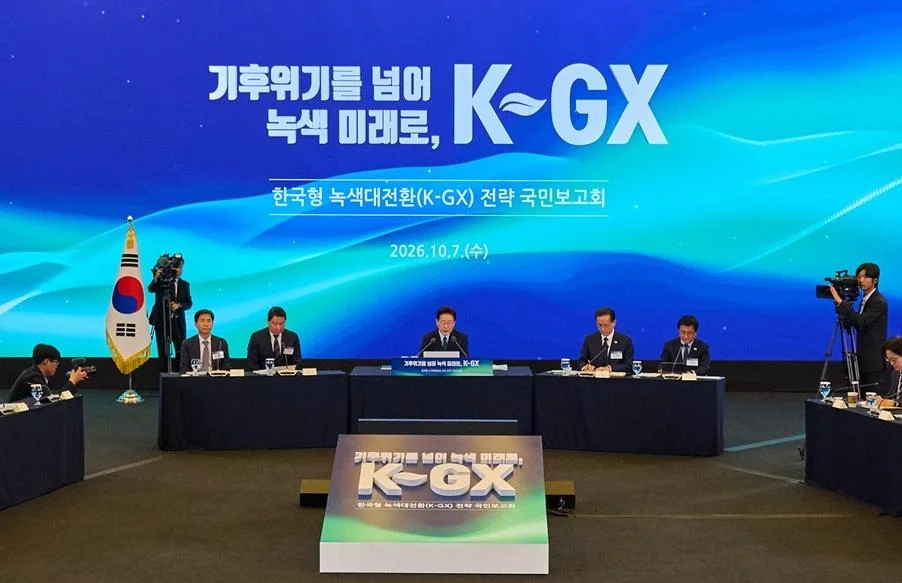
Korean Green Transformation Strategy Launched
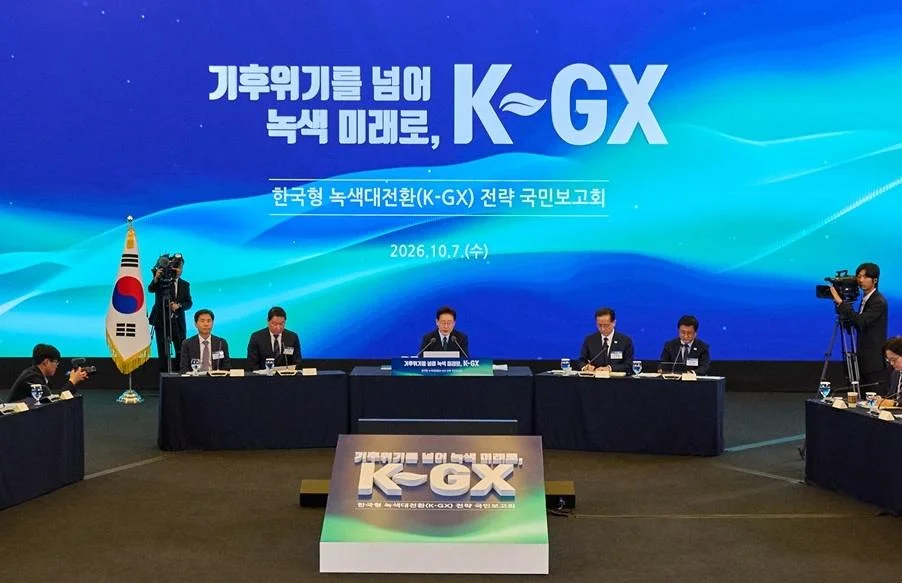
South Korea's government has introduced an ambitious initiative known as the Korean Green Transformation (K-GX) Strategy, which sets forth a plan to mobilize about 1,000 trillion won (approximately USD$747 billion) over the next ten years. This substantial investment focuses on industrial decarbonization, renewable energy expansion, and developing clean mobility solutions. It marks a pivotal moment for the nation, reflecting a growing recognition of the need to address climate change while maintaining economic stability.
Aiming for Sustainable Economic Growth
The primary goal of the K-GX Strategy is to decouple economic growth from carbon emissions, allowing South Korea to fulfill its long-term climate commitments without sacrificing its industrial competitiveness. This objective aligns with global trends, where more economies are striving for sustainable development. Finance Minister Lee Hyoung-il emphasized the strategy's transformative nature for Korea's industrial sectors, stating,
“The K-GX Strategy is not just an environmental policy; it is an absolute structural rebirth of Korea’s industrial landscape.”This assertion raises the question of how deeply the framework intends to overhaul existing industrial practices — a challenge that frequently faces similar state-led initiatives.
Multi-Tiered Financing Framework
This strategy employs a comprehensive financing framework to achieve its objectives. It plans for a direct government investment of 200 trillion won dedicated to green infrastructure, research and development, and public-sector transitions. This substantial outlay indicates a significant commitment from the government, which often leads the charge in addressing systemic environmental challenges. Moreover, the initiative incorporates 570 trillion won in state-backed climate finance available through low-interest loans, green bonds, and credit guarantees, alongside an additional 230 trillion won expected to come from private-sector projects enhanced by regulatory incentives and public-private partnerships (PPPs). This multi-faceted approach is likely to encourage private investment, but will it be enough to meet ambitious targets?
Key Focus Areas for Implementation
The K-GX Strategy prioritizes significant decarbonization efforts in high-polluting industries such as steel, petrochemicals, refining, cement, and semiconductors. These sectors are known for their heavy carbon footprints, and addressing emissions from them is essential to achieving overall climate goals. Aiming to boost domestic renewable energy to 100 GW, the plan emphasizes offshore wind and large-scale solar energy developments, alongside necessary grid upgrades. Here’s the thing: while ambitious renewable targets are crucial, they also raise concerns about how realistic and timely these endeavors can be in practice.
In the realm of clean mobility, South Korea has set a target for zero-emission vehicles to represent over 70% of new car sales by 2035. This goal echoes wider trends in the global automotive market, where manufacturers are increasingly pressured to shift toward electric vehicles. Yet, the country is gradually phasing out tax incentives for traditional internal combustion engines, which could provoke resistance from segments of the public who are reliant on these vehicles. Alongside this, establishing a national ultra-fast charging network will be essential for the success of this initiative. It’s a heavy lift requiring coordination between government regulations and infrastructure development.
Commitment to Carbon Neutrality
The Ministry of Climate, Energy and Environment asserted that this strategic framework ensures South Korea's firm commitment to global carbon neutrality milestones, while simultaneously fostering domestic green job growth and energy self-reliance. By situating green job growth as a central pillar of the K-GX Strategy, officials are acknowledging that the transition to a low-carbon economy is as much a social challenge as it is an environmental one. If you’re working in this space, expect to see a shift in labor markets as traditional roles may diminish, replaced by jobs focused on sustainability and technology.
Implications for the Future
The K-GX Strategy is more significant than it looks at first glance. It seeks not merely to respond to environmental pressures but also to create a new economic paradigm that holds the potential to redefine how industries operate in South Korea and beyond. But with lofty spending goals at stake, executing this plan will be a dense undertaking, marred by the complexities involved in transitioning established industries. Resistance from various stakeholders can thwart even the best strategies, and the success of the K-GX initiative hinges on effective collaboration among government entities, the private sector, and the public.
Moreover, future outlooks should consider global economic conditions. Shifts in market demand, international trade dynamics, and geopolitical tensions could impact the K-GX Strategy's viability. While South Korea is carving a bold pathway in the green transformation journey, it must remain agile to adapt to evolving conditions. Industry players will be watching closely. Are they prepared for the changes that lie ahead?



Discussion
Sign in to join the discussion.