Tech giants Amazon and Microsoft are collaborating on a substantial water replenishment project in Germany, projected to restore 750 million liters of water annually.
Collaborative Efforts in Water Stewardship
Amazon and Microsoft have unveiled a substantial water replenishment project in Hesse, Germany. This initiative aims to restore local wetlands and replenish groundwater, contributing an estimated 750 million liters of water back to the ecosystem each year. By embarking on this project, these tech giants are not just addressing a local environmental issue; they’re also tackling a global concern regarding water scarcity. As populations grow and climate change intensifies, maintaining healthy water ecosystems has become critically urgent. Such collaborative efforts bring corporate social responsibility into sharper focus, pushing for corporate stewardship of natural resources that enjoy broader public scrutiny.
Addressing Environmental Concerns
This announcement underscores the growing scrutiny tech companies face regarding their environmental impact, particularly in relation to their expanding data centers. With the increase in data consumption—driven by a digital transformation across nearly all sectors—concerns about the water footprint of data centers are becoming impossible to ignore. Both companies have established "water positive" objectives, striving to replenish more water than they extract. Microsoft recently reported achieving its water positive target ahead of its 2030 deadline, while Amazon disclosed reaching 75% of its goal and improving its water efficiency for data centers significantly. Water is often described as the oil of the 21st century, not just in terms of scarcity but also due to the power dynamics connected to it. Tech companies’ commitments to achieving a "water positive" status can lead to a ripple effect across the industry, inspiring other organizations to re-evaluate and adjust their water consumption strategies. This commitment reflects a deepening recognition of corporate responsibility that extends beyond economic performance to social and environmental dimensions.
Project Implementation and Goals
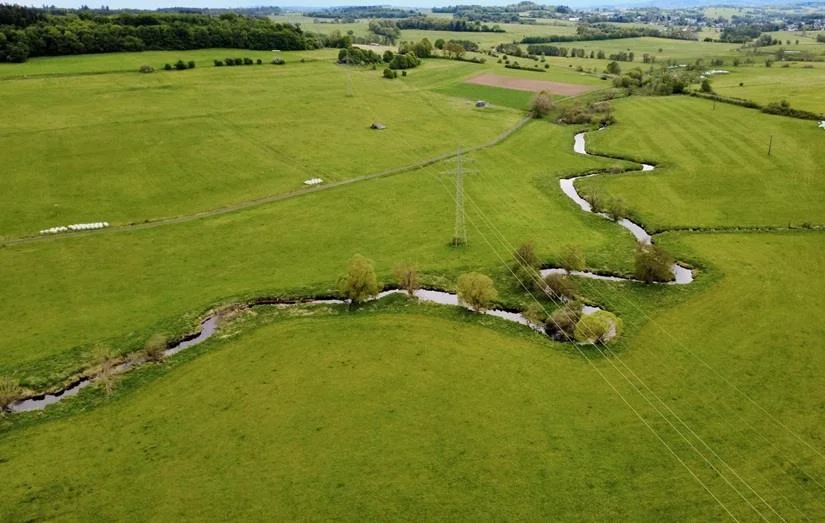
This ambitious project will be administered by the German environmental organization NABU (Naturschutzbund Deutschland), along with local partners and governmental agencies. Spanning 40 hectares in the Vogelsberg region—a vital drinking water source for Frankfurt—the project will focus on restoring natural wetland conditions through various nature-based solutions. The choice of location underscores the importance of protecting water sources integral to human health and regional ecosystems. In an age where natural habitats are systematically compromised, such initiatives are essential for ensuring the longevity of both human and ecological health.
Certain strategies include dismantling artificial drainage systems, establishing shallow water zones to enhance water infiltration, and managing grassland to mitigate nutrient runoff. These methods reflect a more modern understanding of ecology, opting for solutions that work in tandem with nature rather than against it. NABU plans to collaborate with around 10 local landholders to secure 80 hectares in two project sites near Herbstein, with intentions for further land acquisitions through 2028. This collaborative model is crucial. The involvement of local landholders ensures that conservation efforts are compatible with agricultural needs, promoting a consensual approach to land use that can be more easily embraced by the community. (and this is the part most people overlook) The integration of local economic realities into conservation strategies can often make or break the success of environmental projects.
Biodiversity Restoration
The benefits of this initiative extend beyond mere groundwater replenishment; it also aims to foster habitats for various bird species that have seen population declines in the area, such as whinchats, snipe, and wood sandpipers. Biodiversity is crucial not just for ecological integrity but also for the resilience of ecosystems under stress. As species face mounting pressures, projects like this present fundamental opportunities for habitat restoration. Ongoing assessments of biodiversity will be conducted, tracking a variety of species from 2028 to 2038. This long-term monitoring will provide critical data that could inform future conservation efforts. Monitoring biodiversity isn't just about counting species; it's about understanding the interplay between different elements in the ecosystem and determining how interventions affect overall ecological health.
Statements from Company Leaders
Christian Schätz, COO of Microsoft Germany, emphasized the significance of this partnership, stating, “When tech companies like Microsoft and Amazon invest together in water stewardship, it signals that this sector takes its responsibility seriously.” Such statements reinforce the idea that tech companies are starting to recognize their broader societal role. It also hints at a growing trend of industry collaboration that's often needed to tackle complex environmental issues. Similarly, Michael Hanisch, Head of Technology at AWS Germany, remarked, “Efficient water use is part of how we operate, but that’s a starting point, not the finish line.” These insights expose a prevailing sentiment that environmental responsibility goes beyond compliance; it's about setting higher benchmarks for future actions. The public and private sectors, especially tech companies, must demonstrate accountability, transparency, and a willingness to engage with the communities they affect.
Future Implications and Significance
The implications of this project reach far beyond the wetland restoration itself. This cooperative venture may signal a pivotal shift in how large corporations approach environmental stewardship. If you're working in this space, keep an eye on how these efforts influence regulatory frameworks and environmental policies on both a local and global scale. Groups like NABU, along with these corporate partners, may well set precedents for future engagements between business and environmental activism. As awareness of climate issues grows among the public, responsibility for environmental impact could become a differentiator for companies looking to enhance their public image and customer loyalty. The success or failure of this project will likely influence similar initiatives in the tech industry and beyond. Companies are under increasing pressure not just to be economically viable but to contribute positively to the communities in which they operate. This is more significant than it looks. While it may not directly solve the global water crisis, such collaborations can inspire other industries to adopt sustainable practices, fostering a culture of accountability that can benefit ecosystems and, ultimately, humanity. Environmental stewardship is no longer just a niche concern for companies; it’s becoming central to their viability and growth strategies.



Discussion
Sign in to join the discussion.